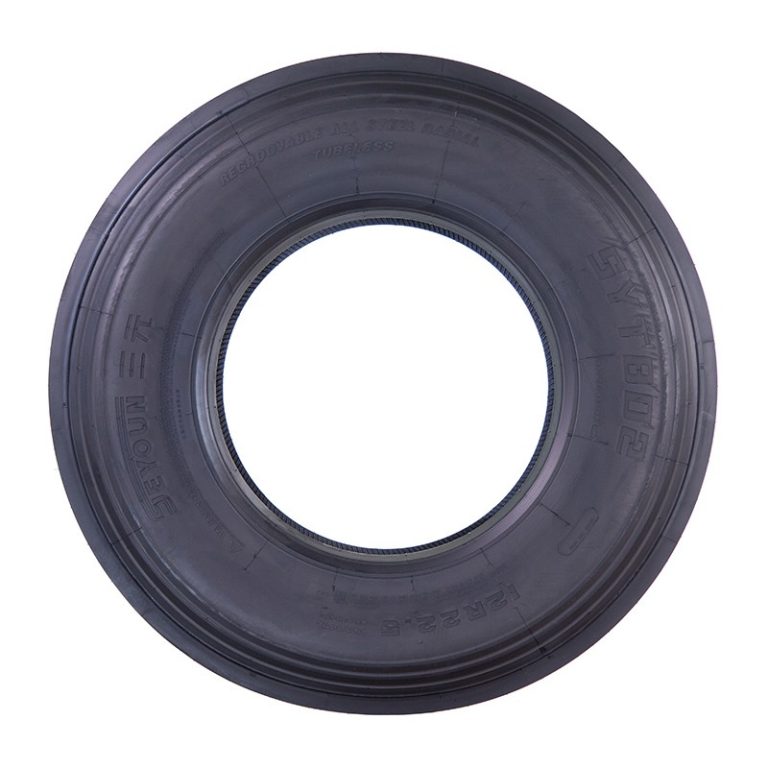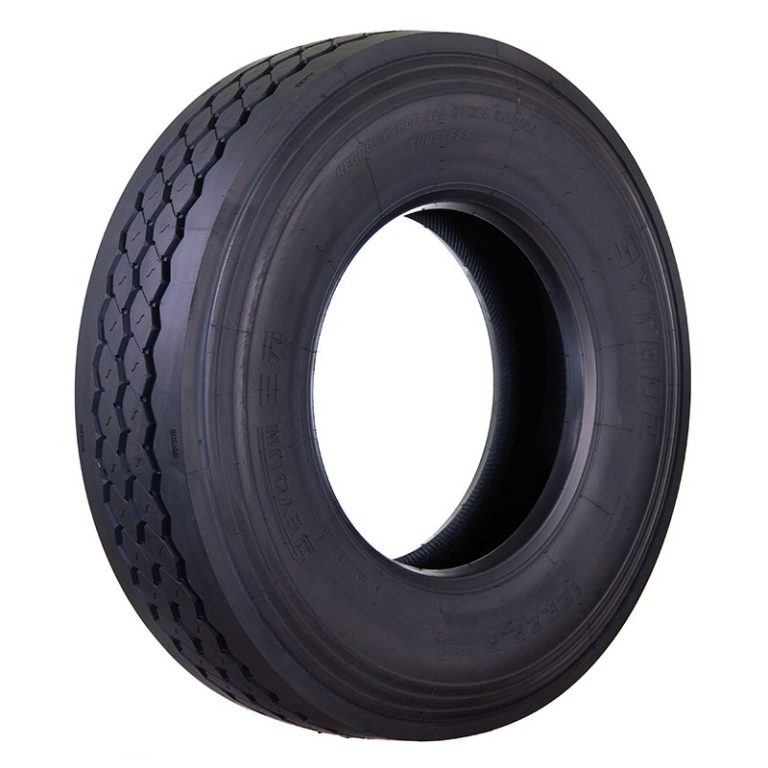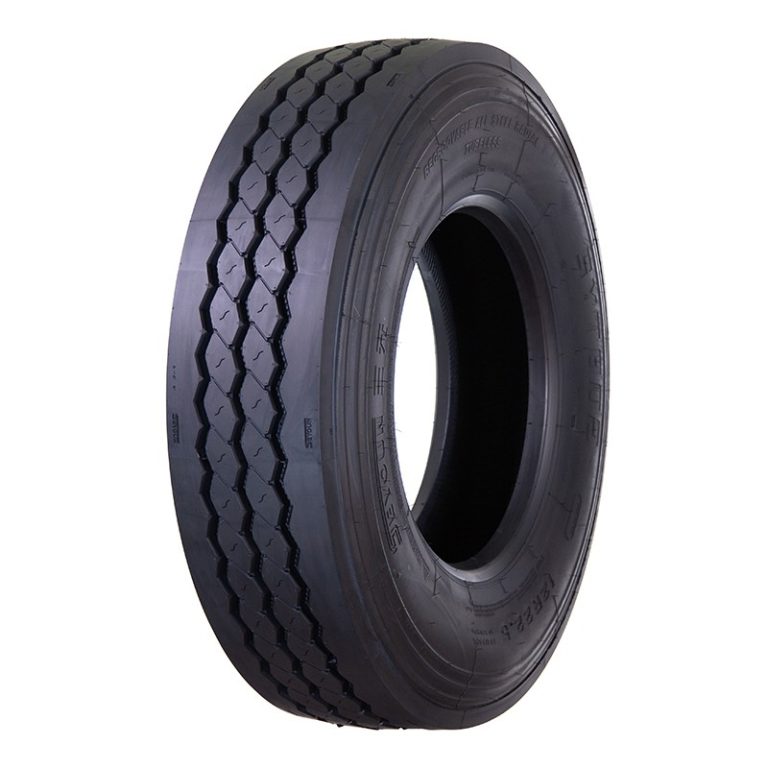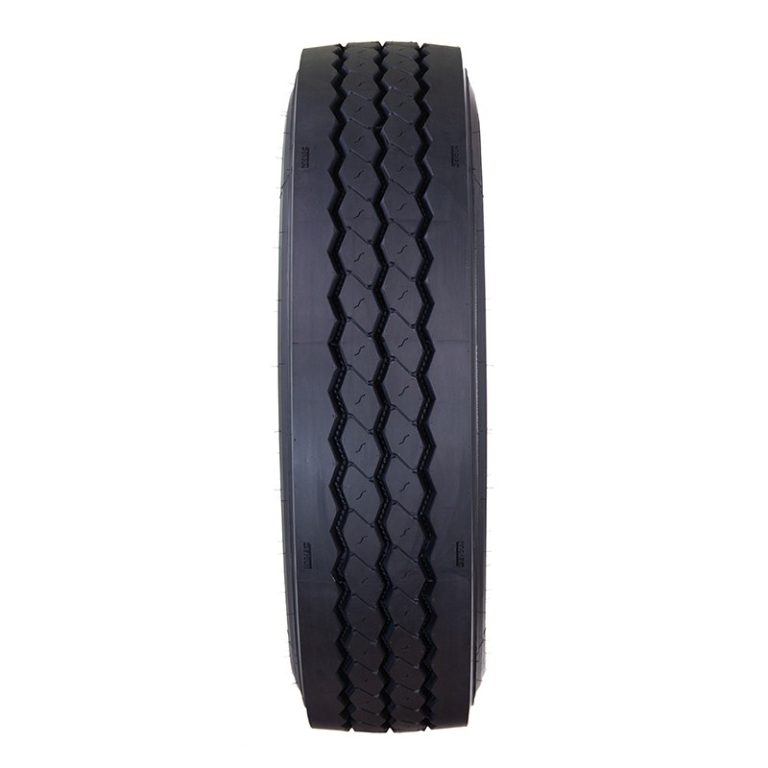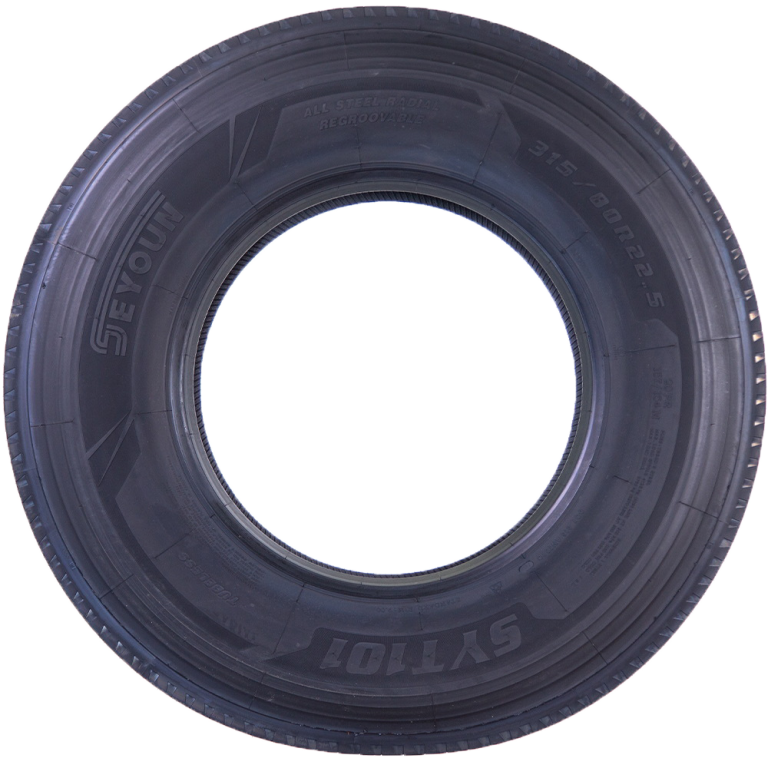









The SEYOUN SYT802 is a premium high-mileage, fuel-efficient all-position radial truck tire precision-engineered for commercial enterprises operating within Regional Hauling and intercity distribution networks. Built upon a high-tensile steel belt carcass, the SYT802 utilizes an optimized three-rib zig-zag pattern profile that allows for perfect multi-position rotation across steer, drive, and trailing trailer axles. Specially engineered to balance extreme scrub-resistance with low rolling resistance, the SYT802 delivers exceptionally long original tread removals while significantly lowering fuel costs—making it the ultimate, cost-dropping standard for modern commercial transport fleets.
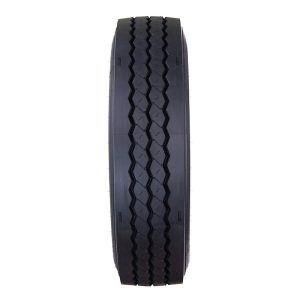 SYT802 Tread Pattern Design
The tread foundation features an advanced optimized contacting and sipes design. By decreasing friction energy loss and friction heat during rolling, the SYT802 drastically cuts down vehicle rolling resistance, enabling remarkable fuel savings and lowering fleet carbon emissions.
The pattern leverages three deep, aggressive zig-zag longitudinal tracking channels. When fitted on steering axles, this configuration instantly pierces water films on wet pavements, maintaining constant hydroplaning resistance and outstanding tracking stability.
The shoulder sectors are engineered as extra-wide solid ribs to evenly disperse lateral loading friction. On trailing or multi-axle positions, the premium wear resistance and extended tire lifespan provided by the robust shoulder compound successfully protect the tread from tearing and irregular heel-and-toe erosion.
| Pattern | Size | PR | LI&SS | Overall Diameter(mm) |
Load Capacity(kg) |
Inflation Pressure(kpa) |
Section Width(mm) |
Standard Rim(inch) |
Tread Depth (mm) |
|
| Single | Dual | |||||||||
| SYT802 | 275/80R22.5 | 18 | 149/146K | 1,012 | 3,250 | 3,000 | 900 | 276 | 8.25 | 16.5 |
| 7.00R16LT | 14 | 118/114L | 775 | 1,320 | 1,180 | 770 | 200 | 6.00G | 12.5 | |
| 7.50R16LT | 16 | 125/121L | 805 | 1,650 | 1,450 | 870 | 215 | 6.00G | 13.5 | |
| 8.25R16LT | 18 | 132/128L | 855 | 2,000 | 1,800 | 870 | 235 | 6.5H | 15 | |
| 12R22.5 | 18 | 152/149L | 1,085 | 3,550 | 3,250 | 930 | 300 | 9.00 | 17.7 | |
| Available Sizes | ||||||
| 6.50R16LT | 9.00R20 | 11R24.5 | 13R22.5 | 245/70R17.5 | 295/60R22.5 | 295/75R22.5 |
| 7.00R16LT | 10.00R20 | 12.00R20 | 215/75R17.5 | 245/70R19.5 | 275/80R22.5 | 315/70R22.5 |
| 7.50R16LT | 11.00R20 | 12.00R24 | 225/80R17.5 | 265/70R19.5 | 295/80R22.5 | 385/65R22.5 |
| 8.25R16LT | 11R22.5 | 12R22.5 | 235/75R17.5 | 275/70R22.5 | 315/80R22.5 | 205/85R16LT |
1.High Wear Resistance 4.Long Mileage Performance
Special tread compound design extends tire life and reduces cost per km. Optimized footprint distbution promotes even wear and longer mileage.
2.Strong Traction Performance 5.Fuel Saving
Deep grooves and block design provide excellent grip on wet and dey roads. Low roling resistance design helps reduce fuel consumption.
3.High Load Capacity 6.Safe & Reliable
Reinforced carcass structure enpures high load capacity and durabllity. Superior stablity and braking performance ensure driving safety.










 SYT802 Tread Pattern Design
The tread foundation features an advanced optimized contacting and sipes design. By decreasing friction energy loss and friction heat during rolling, the SYT802 drastically cuts down vehicle rolling resistance, enabling remarkable fuel savings and lowering fleet carbon emissions.
The pattern leverages three deep, aggressive zig-zag longitudinal tracking channels. When fitted on steering axles, this configuration instantly pierces water films on wet pavements, maintaining constant hydroplaning resistance and outstanding tracking stability.
The shoulder sectors are engineered as extra-wide solid ribs to evenly disperse lateral loading friction. On trailing or multi-axle positions, the premium wear resistance and extended tire lifespan provided by the robust shoulder compound successfully protect the tread from tearing and irregular heel-and-toe erosion.
| Pattern | Size | PR | LI&SS | Overall Diameter(mm) | Load Capacity(kg) | Inflation Pressure(kpa) | Section Width(mm) | Standard Rim(inch) | Tread Depth (mm) | |
| Single | Dual | |||||||||
| SYT802 | 275/80R22.5 | 18 | 149/146K | 1,012 | 3,250 | 3,000 | 900 | 276 | 8.25 | 16.5 |
| 7.00R16LT | 14 | 118/114L | 775 | 1,320 | 1,180 | 770 | 200 | 6.00G | 12.5 | |
| 7.50R16LT | 16 | 125/121L | 805 | 1,650 | 1,450 | 870 | 215 | 6.00G | 13.5 | |
| 8.25R16LT | 18 | 132/128L | 855 | 2,000 | 1,800 | 870 | 235 | 6.5H | 15 | |
| 12R22.5 | 18 | 152/149L | 1,085 | 3,550 | 3,250 | 930 | 300 | 9.00 | 17.7 | |
| Available Sizes | ||||||
| 6.50R16LT | 9.00R20 | 11R24.5 | 13R22.5 | 245/70R17.5 | 295/60R22.5 | 295/75R22.5 |
| 7.00R16LT | 10.00R20 | 12.00R20 | 215/75R17.5 | 245/70R19.5 | 275/80R22.5 | 315/70R22.5 |
| 7.50R16LT | 11.00R20 | 12.00R24 | 225/80R17.5 | 265/70R19.5 | 295/80R22.5 | 385/65R22.5 |
| 8.25R16LT | 11R22.5 | 12R22.5 | 235/75R17.5 | 275/70R22.5 | 315/80R22.5 | 205/85R16LT |
1.High Wear Resistance 4.Long Mileage Performance Special tread compound design extends tire life and reduces cost per km. Optimized footprint distbution promotes even wear and longer mileage. 2.Strong Traction Performance 5.Fuel Saving Deep grooves and block design provide excellent grip on wet and dey roads. Low roling resistance design helps reduce fuel consumption.
3.High Load Capacity 6.Safe & Reliable Reinforced carcass structure enpures high load capacity and durabllity. Superior stablity and braking performance ensure driving safety.

 SYT802 Tread Pattern Design
The tread foundation features an advanced optimized contacting and sipes design. By decreasing friction energy loss and friction heat during rolling, the SYT802 drastically cuts down vehicle rolling resistance, enabling remarkable fuel savings and lowering fleet carbon emissions.
The pattern leverages three deep, aggressive zig-zag longitudinal tracking channels. When fitted on steering axles, this configuration instantly pierces water films on wet pavements, maintaining constant hydroplaning resistance and outstanding tracking stability.
The shoulder sectors are engineered as extra-wide solid ribs to evenly disperse lateral loading friction. On trailing or multi-axle positions, the premium wear resistance and extended tire lifespan provided by the robust shoulder compound successfully protect the tread from tearing and irregular heel-and-toe erosion.
| Pattern | Size | PR | LI&SS | Overall Diameter(mm) | Load Capacity(kg) | Inflation Pressure(kpa) | Section Width(mm) | Standard Rim(inch) | Tread Depth (mm) | |
| Single | Dual | |||||||||
| SYT802 | 275/80R22.5 | 18 | 149/146K | 1,012 | 3,250 | 3,000 | 900 | 276 | 8.25 | 16.5 |
| 7.00R16LT | 14 | 118/114L | 775 | 1,320 | 1,180 | 770 | 200 | 6.00G | 12.5 | |
| 7.50R16LT | 16 | 125/121L | 805 | 1,650 | 1,450 | 870 | 215 | 6.00G | 13.5 | |
| 8.25R16LT | 18 | 132/128L | 855 | 2,000 | 1,800 | 870 | 235 | 6.5H | 15 | |
| 12R22.5 | 18 | 152/149L | 1,085 | 3,550 | 3,250 | 930 | 300 | 9.00 | 17.7 | |
| Available Sizes | ||||||
| 6.50R16LT | 9.00R20 | 11R24.5 | 13R22.5 | 245/70R17.5 | 295/60R22.5 | 295/75R22.5 |
| 7.00R16LT | 10.00R20 | 12.00R20 | 215/75R17.5 | 245/70R19.5 | 275/80R22.5 | 315/70R22.5 |
| 7.50R16LT | 11.00R20 | 12.00R24 | 225/80R17.5 | 265/70R19.5 | 295/80R22.5 | 385/65R22.5 |
| 8.25R16LT | 11R22.5 | 12R22.5 | 235/75R17.5 | 275/70R22.5 | 315/80R22.5 | 205/85R16LT |
1.High Wear Resistance 4.Long Mileage Performance Special tread compound design extends tire life and reduces cost per km. Optimized footprint distbution promotes even wear and longer mileage. 2.Strong Traction Performance 5.Fuel Saving Deep grooves and block design provide excellent grip on wet and dey roads. Low roling resistance design helps reduce fuel consumption.
3.High Load Capacity 6.Safe & Reliable Reinforced carcass structure enpures high load capacity and durabllity. Superior stablity and braking performance ensure driving safety.