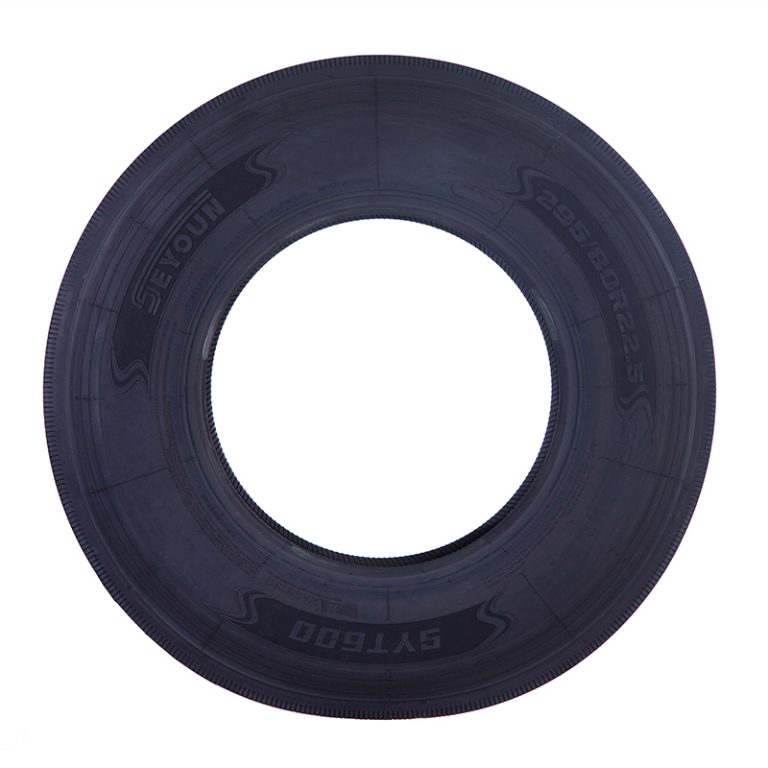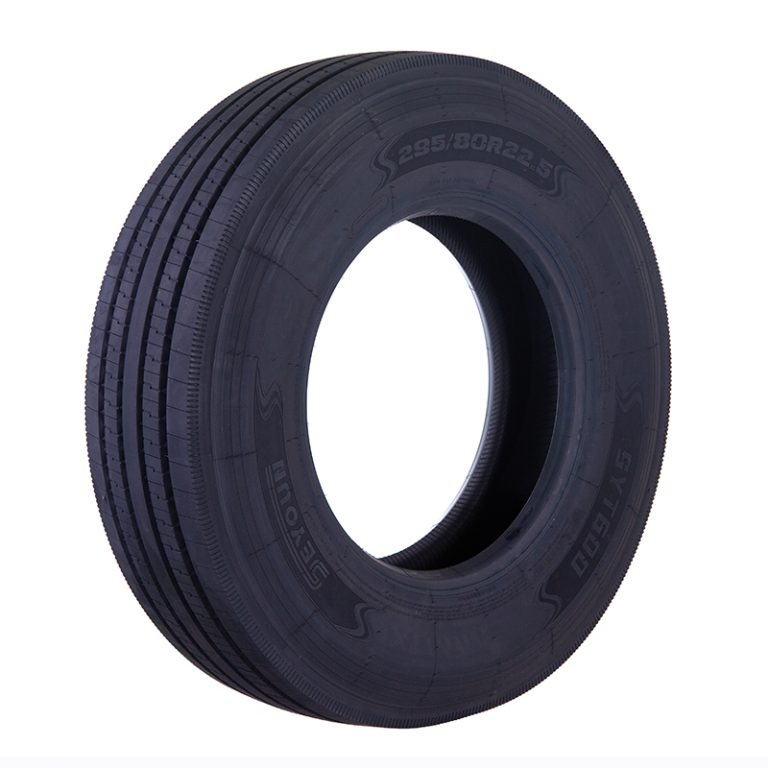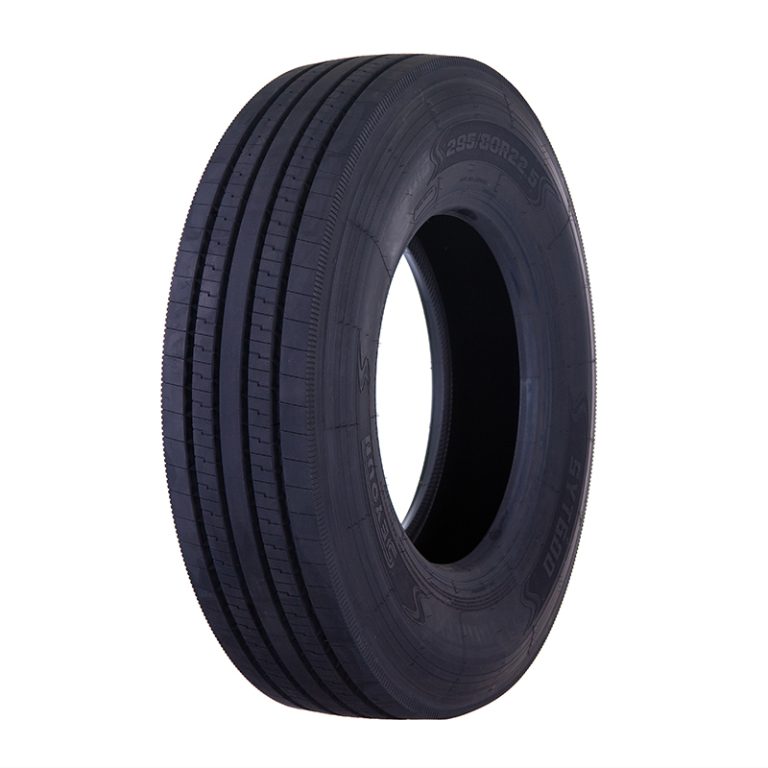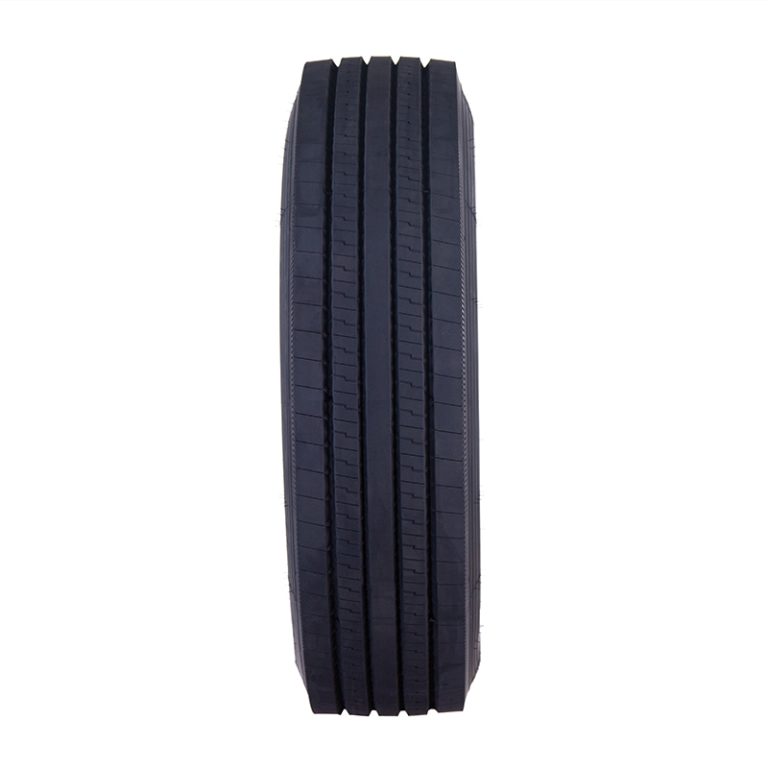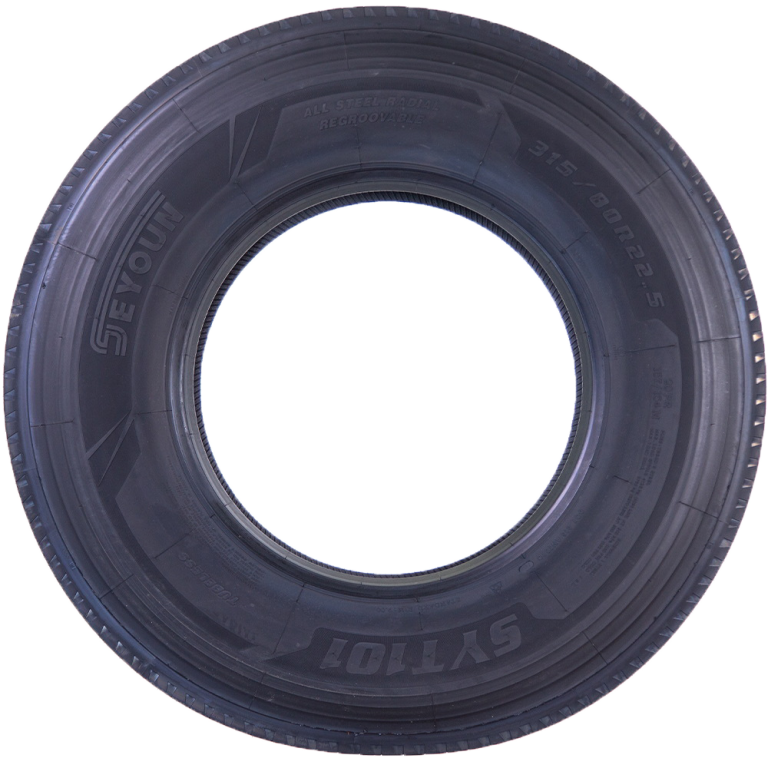










The SEYOUN SYT600 is a high-mileage all-steel radial truck tire custom-engineered for steer and trailer axle positions operating under demanding long-haul highway conditions. Built with a heavy-duty carcass foundation and an optimized 5-rib footprint, the SYT600 strikes the perfect balance between exceptional fuel economy, flawless straight-line tracking, and industry-leading defense against irregular rib wear. It represents a highly profitable choice for fleet operators and owner-operators seeking to drop annual fuel expenditure and achieve a maximized lifespan for their logistics assets.
 SYT600 Tread Pattern Design
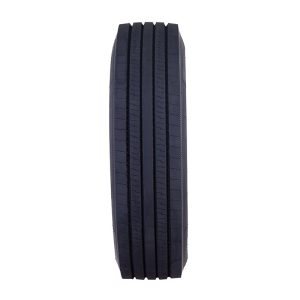
The SYT600 integrates a streamlined 5-rib layout separated by four high-capacity longitudinal straight grooves. This classic commercial profile optimizes contact pressure distribution and dramatically lowers rolling resistance, minimizing tread squirm and suppressing friction-induced heat buildup during long-distance cruising. For large fleets, this directly translates into substantially reduced fuel consumption and eco-friendly operations.
Steer and free-rolling trailer positions are constantly stressed by lateral scrub forces during high-speed lane transitions and tight terminal turns. The SYT600 addresses this with massive, continuous solid outer shoulder bands. By bracing the tire footprint evenly against lateral forces, it effectively eliminates irregular rib wear, shoulder scalloping, and wiping, keeping the tread uniform over thousands of miles.
The edges of each central rib are meticulously engineered with computerized micro-sipes. These functional cuts act as water-breaking blades that rapidly slice through standing fluid layers on wet concrete highways. This ensures outstanding wet-weather grip, steadfast directional control on dry roads, and remarkably reduced commercial braking distances.
| Pattern | Size | PR | LI&SS | Overall Diameter(mm) |
Load Capacity(kg) | Inflation Pressure(kpa) | Section Width (mm) |
Standard Rim (inch) |
Tread Depth (mm) | |
| Single | Dual | |||||||||
| SYT600 | 295/80R22.5 | 18 | 152/149M | 1,044 | 3,550 | 3,250 | 900 | 298 | 9.00 | 16 |
| Available Sizes | ||||||
| 6.50R16LT | 9.00R20 | 11R24.5 | 13R22.5 | 245/70R17.5 | 295/60R22.5 | 295/75R22.5 |
| 7.00R16LT | 10.00R20 | 12.00R20 | 215/75R17.5 | 245/70R19.5 | 275/80R22.5 | 315/70R22.5 |
| 7.50R16LT | 11.00R20 | 12.00R24 | 225/80R17.5 | 265/70R19.5 | 295/80R22.5 | 385/65R22.5 |
| 8.25R16LT | 11R22.5 | 12R22.5 | 235/75R17.5 | 275/70R22.5 | 315/80R22.5 | 205/85R16LT |
1.High Wear Resistance 4.Long Mileage Performance
Special tread compound design extends tire life and reduces cost per km. Optimized footprint distbution promotes even wear and longer mileage.
2.Strong Traction Performance 5.Fuel Saving
Deep grooves and block design provide excellent grip on wet and dey roads. Low roling resistance design helps reduce fuel consumption.
3.High Load Capacity 6.Safe & Reliable
Reinforced carcass structure enpures high load capacity and durabllity. Superior stablity and braking performance ensure driving safety.











 SYT600 Truck Tire OverviewSYT600 Tread Pattern Design
The SYT600 integrates a streamlined 5-rib layout separated by four high-capacity longitudinal straight grooves. This classic commercial profile optimizes contact pressure distribution and dramatically lowers rolling resistance, minimizing tread squirm and suppressing friction-induced heat buildup during long-distance cruising. For large fleets, this directly translates into substantially reduced fuel consumption and eco-friendly operations.
Steer and free-rolling trailer positions are constantly stressed by lateral scrub forces during high-speed lane transitions and tight terminal turns. The SYT600 addresses this with massive, continuous solid outer shoulder bands. By bracing the tire footprint evenly against lateral forces, it effectively eliminates irregular rib wear, shoulder scalloping, and wiping, keeping the tread uniform over thousands of miles.
The edges of each central rib are meticulously engineered with computerized micro-sipes. These functional cuts act as water-breaking blades that rapidly slice through standing fluid layers on wet concrete highways. This ensures outstanding wet-weather grip, steadfast directional control on dry roads, and remarkably reduced commercial braking distances.
| Pattern | Size | PR | LI&SS | Overall Diameter(mm) | Load Capacity(kg) | Inflation Pressure(kpa) | Section Width (mm) | Standard Rim (inch) | Tread Depth (mm) | |
| Single | Dual | |||||||||
| SYT600 | 295/80R22.5 | 18 | 152/149M | 1,044 | 3,550 | 3,250 | 900 | 298 | 9.00 | 16 |
| Available Sizes | ||||||
| 6.50R16LT | 9.00R20 | 11R24.5 | 13R22.5 | 245/70R17.5 | 295/60R22.5 | 295/75R22.5 |
| 7.00R16LT | 10.00R20 | 12.00R20 | 215/75R17.5 | 245/70R19.5 | 275/80R22.5 | 315/70R22.5 |
| 7.50R16LT | 11.00R20 | 12.00R24 | 225/80R17.5 | 265/70R19.5 | 295/80R22.5 | 385/65R22.5 |
| 8.25R16LT | 11R22.5 | 12R22.5 | 235/75R17.5 | 275/70R22.5 | 315/80R22.5 | 205/85R16LT |
1.High Wear Resistance 4.Long Mileage Performance Special tread compound design extends tire life and reduces cost per km. Optimized footprint distbution promotes even wear and longer mileage. 2.Strong Traction Performance 5.Fuel Saving Deep grooves and block design provide excellent grip on wet and dey roads. Low roling resistance design helps reduce fuel consumption.
3.High Load Capacity 6.Safe & Reliable Reinforced carcass structure enpures high load capacity and durabllity. Superior stablity and braking performance ensure driving safety.



 SYT600 Truck Tire OverviewSYT600 Tread Pattern Design
The SYT600 integrates a streamlined 5-rib layout separated by four high-capacity longitudinal straight grooves. This classic commercial profile optimizes contact pressure distribution and dramatically lowers rolling resistance, minimizing tread squirm and suppressing friction-induced heat buildup during long-distance cruising. For large fleets, this directly translates into substantially reduced fuel consumption and eco-friendly operations.
Steer and free-rolling trailer positions are constantly stressed by lateral scrub forces during high-speed lane transitions and tight terminal turns. The SYT600 addresses this with massive, continuous solid outer shoulder bands. By bracing the tire footprint evenly against lateral forces, it effectively eliminates irregular rib wear, shoulder scalloping, and wiping, keeping the tread uniform over thousands of miles.
The edges of each central rib are meticulously engineered with computerized micro-sipes. These functional cuts act as water-breaking blades that rapidly slice through standing fluid layers on wet concrete highways. This ensures outstanding wet-weather grip, steadfast directional control on dry roads, and remarkably reduced commercial braking distances.
| Pattern | Size | PR | LI&SS | Overall Diameter(mm) | Load Capacity(kg) | Inflation Pressure(kpa) | Section Width (mm) | Standard Rim (inch) | Tread Depth (mm) | |
| Single | Dual | |||||||||
| SYT600 | 295/80R22.5 | 18 | 152/149M | 1,044 | 3,550 | 3,250 | 900 | 298 | 9.00 | 16 |
| Available Sizes | ||||||
| 6.50R16LT | 9.00R20 | 11R24.5 | 13R22.5 | 245/70R17.5 | 295/60R22.5 | 295/75R22.5 |
| 7.00R16LT | 10.00R20 | 12.00R20 | 215/75R17.5 | 245/70R19.5 | 275/80R22.5 | 315/70R22.5 |
| 7.50R16LT | 11.00R20 | 12.00R24 | 225/80R17.5 | 265/70R19.5 | 295/80R22.5 | 385/65R22.5 |
| 8.25R16LT | 11R22.5 | 12R22.5 | 235/75R17.5 | 275/70R22.5 | 315/80R22.5 | 205/85R16LT |
1.High Wear Resistance 4.Long Mileage Performance Special tread compound design extends tire life and reduces cost per km. Optimized footprint distbution promotes even wear and longer mileage. 2.Strong Traction Performance 5.Fuel Saving Deep grooves and block design provide excellent grip on wet and dey roads. Low roling resistance design helps reduce fuel consumption.
3.High Load Capacity 6.Safe & Reliable Reinforced carcass structure enpures high load capacity and durabllity. Superior stablity and braking performance ensure driving safety.