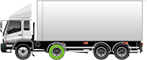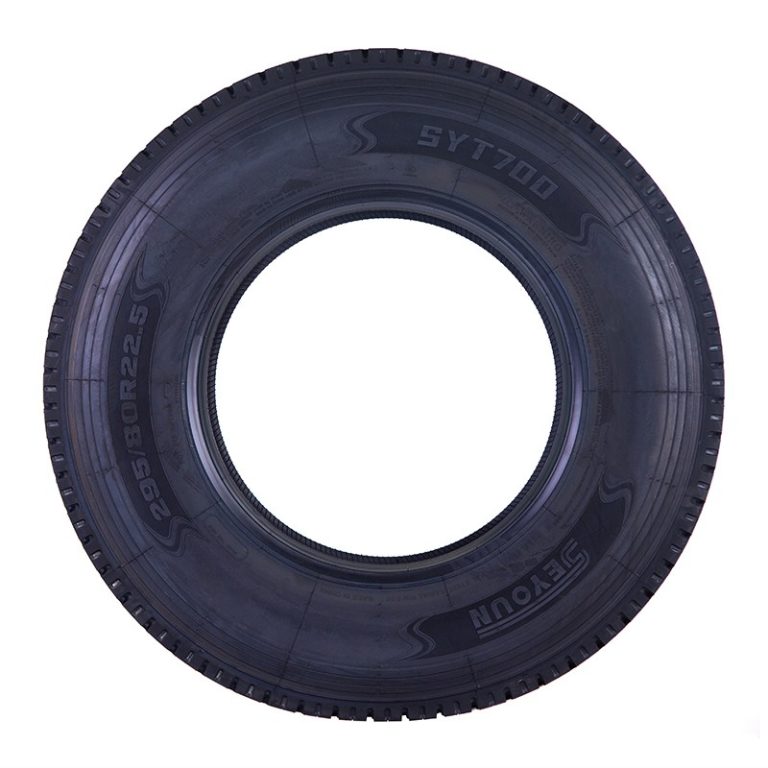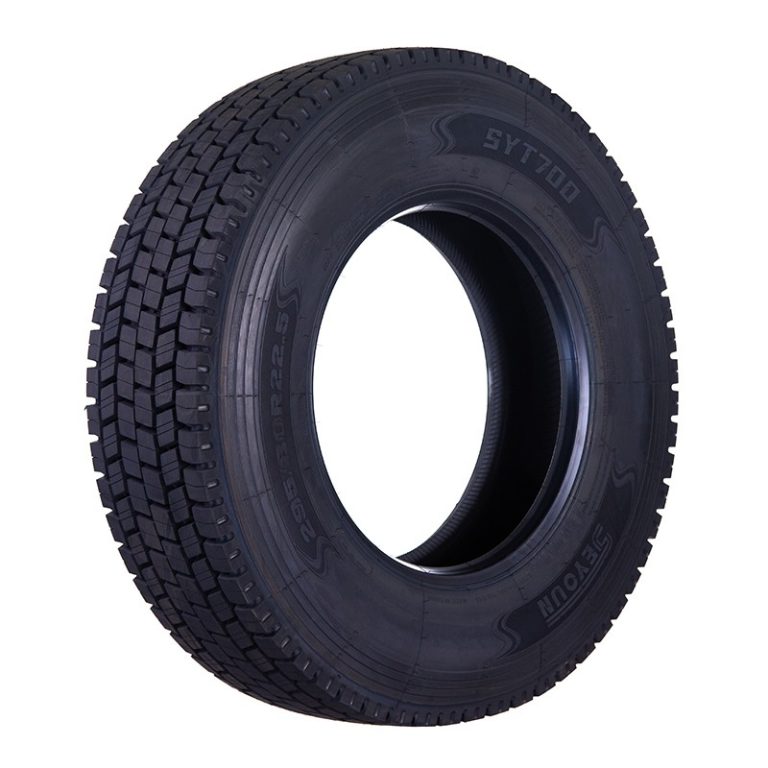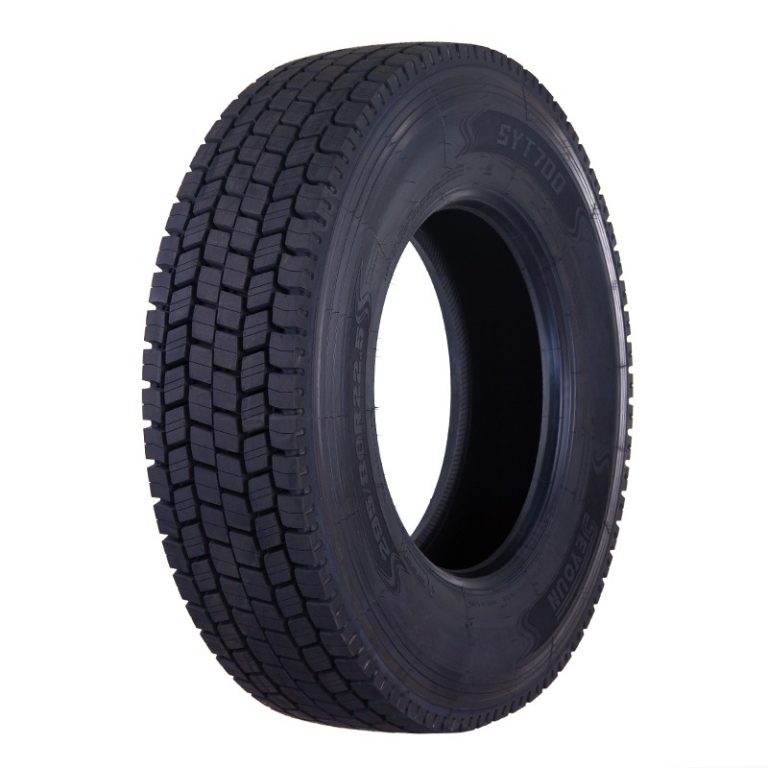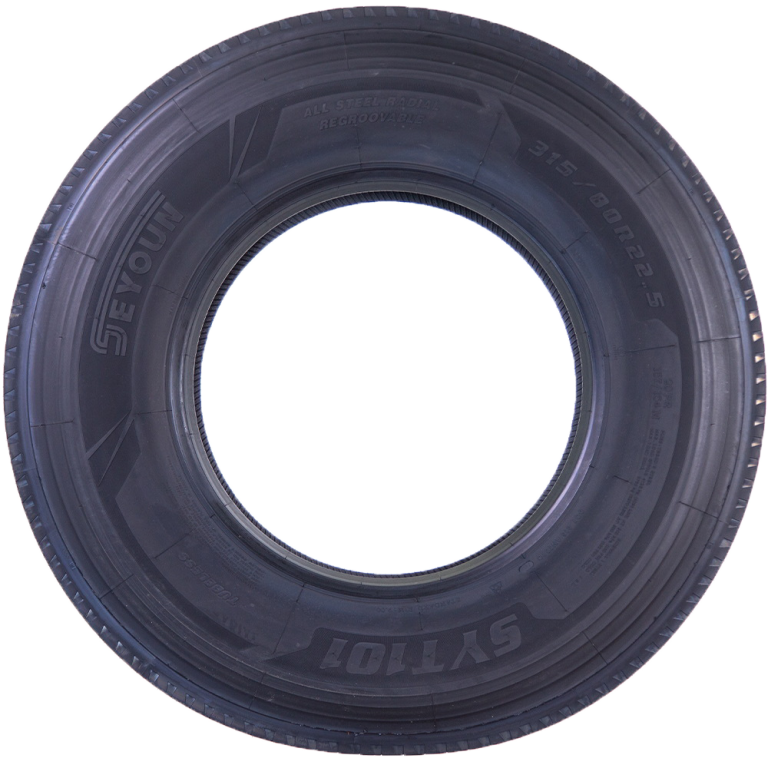








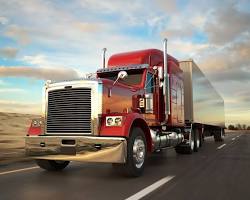
The SEYOUN SYT700 is a premium-tier, high-mileage drive wheel radial truck tire engineered specifically to deliver dominant tractive power and immense casing durability for modern, high-torque commercial fleets. Tailor-made for demanding long-haul highways and intense regional freight services, the SYT700 features an aggressive, high-density block-matrix footprint integrated with an optimized deep tread depth. This heavy-duty tyre guarantees relentless forward traction on slick or dry roads, superior steering feedback under maximum payloads, and elite wear resistance. For fleet owners, the SYT700 serves as a reliable asset designed to slash operational cost-per-mile and maximize vehicle uptime.
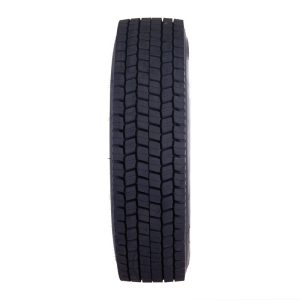 SYT700 Tread Pattern Design
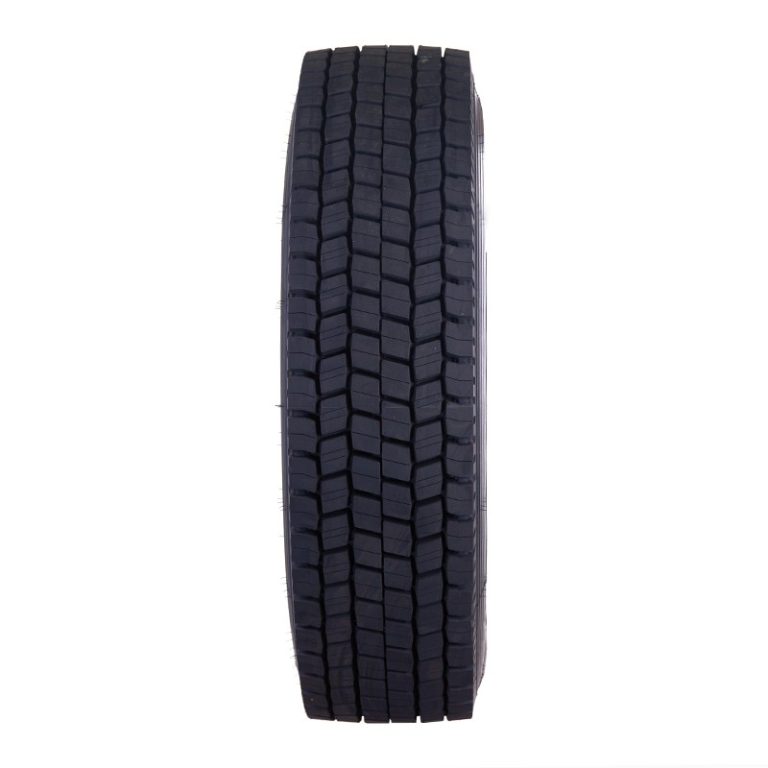
Specifically engineered to process the enormous torque loads generated by modern heavy commercial truck engines, the SYT700 utilizes multiple rows of robust, interlocking tread blocks. This design creates an immense array of multi-directional biting edges that latch onto the pavement immediately. It delivers uncompromising forward acceleration, secure traction on steep highway inclines, and swift braking responses across all weather conditions.
Configured with deep longitudinal drainage corridors paired with optimized open lateral shoulder channels, the SYT700 serves as a high-velocity water evacuation pump. When cruising at high speeds through sudden highway rainstorms, it instantly expels water, slush, or mud away from the contact footprint, effectively eliminating the risk of hydroplaning and guaranteeing driving stability.
Constructed on an ultra-high-tensile full steel belt carcass, this tire boasts exceptional high load-bearing capacity and high carcass stability. The base of the straight channels integrates precise stone-ejecting geometric nodes that actively reject road debris and gravel, preventing stone-drilling from fracturing the steel cords.
| Pattern | Size | PR | LI&SS | Overall Diameter(mm) |
Load Capacity(kg) | Inflation Pressure(kpa) | Section Width (mm) |
Standard Rim (inch) |
Tread Depth (mm) | |
| Single | Dual | |||||||||
| STY700 | 295/80R22.5 | 18 | 152/149M | 1,044 | 3,550 | 3,250 | 900 | 298 | 9.00 | 19.5 |
| Available Sizes | ||||||
| 6.50R16LT | 9.00R20 | 11R24.5 | 13R22.5 | 245/70R17.5 | 295/60R22.5 | 295/75R22.5 |
| 7.00R16LT | 10.00R20 | 12.00R20 | 215/75R17.5 | 245/70R19.5 | 275/80R22.5 | 315/70R22.5 |
| 7.50R16LT | 11.00R20 | 12.00R24 | 225/80R17.5 | 265/70R19.5 | 295/80R22.5 | 385/65R22.5 |
| 8.25R16LT | 11R22.5 | 12R22.5 | 235/75R17.5 | 275/70R22.5 | 315/80R22.5 | 205/85R16LT |
1.High Wear Resistance 4.Long Mileage Performance
Special tread compound design extends tire life and reduces cost per km. Optimized footprint distbution promotes even wear and longer mileage.
2.Strong Traction Performance 5.Fuel Saving
Deep grooves and block design provide excellent grip on wet and dey roads. Low roling resistance design helps reduce fuel consumption.
3.High Load Capacity 6.Safe & Reliable
Reinforced carcass structure enpures high load capacity and durabllity. Superior stablity and braking performance ensure driving safety.







 SYT700 Truck Tire OverviewSYT700 Tread Pattern Design
Specifically engineered to process the enormous torque loads generated by modern heavy commercial truck engines, the SYT700 utilizes multiple rows of robust, interlocking tread blocks. This design creates an immense array of multi-directional biting edges that latch onto the pavement immediately. It delivers uncompromising forward acceleration, secure traction on steep highway inclines, and swift braking responses across all weather conditions.
Configured with deep longitudinal drainage corridors paired with optimized open lateral shoulder channels, the SYT700 serves as a high-velocity water evacuation pump. When cruising at high speeds through sudden highway rainstorms, it instantly expels water, slush, or mud away from the contact footprint, effectively eliminating the risk of hydroplaning and guaranteeing driving stability.
| Pattern | Size | PR | LI&SS | Overall Diameter(mm) | Load Capacity(kg) | Inflation Pressure(kpa) | Section Width (mm) | Standard Rim (inch) | Tread Depth (mm) | |
| Single | Dual | |||||||||
| STY700 | 295/80R22.5 | 18 | 152/149M | 1,044 | 3,550 | 3,250 | 900 | 298 | 9.00 | 19.5 |
| Available Sizes | ||||||
| 6.50R16LT | 9.00R20 | 11R24.5 | 13R22.5 | 245/70R17.5 | 295/60R22.5 | 295/75R22.5 |
| 7.00R16LT | 10.00R20 | 12.00R20 | 215/75R17.5 | 245/70R19.5 | 275/80R22.5 | 315/70R22.5 |
| 7.50R16LT | 11.00R20 | 12.00R24 | 225/80R17.5 | 265/70R19.5 | 295/80R22.5 | 385/65R22.5 |
| 8.25R16LT | 11R22.5 | 12R22.5 | 235/75R17.5 | 275/70R22.5 | 315/80R22.5 | 205/85R16LT |
1.High Wear Resistance 4.Long Mileage Performance Special tread compound design extends tire life and reduces cost per km. Optimized footprint distbution promotes even wear and longer mileage. 2.Strong Traction Performance 5.Fuel Saving Deep grooves and block design provide excellent grip on wet and dey roads. Low roling resistance design helps reduce fuel consumption.
3.High Load Capacity 6.Safe & Reliable Reinforced carcass structure enpures high load capacity and durabllity. Superior stablity and braking performance ensure driving safety.
 SYT700 Truck Tire OverviewSYT700 Tread Pattern Design
Specifically engineered to process the enormous torque loads generated by modern heavy commercial truck engines, the SYT700 utilizes multiple rows of robust, interlocking tread blocks. This design creates an immense array of multi-directional biting edges that latch onto the pavement immediately. It delivers uncompromising forward acceleration, secure traction on steep highway inclines, and swift braking responses across all weather conditions.
Configured with deep longitudinal drainage corridors paired with optimized open lateral shoulder channels, the SYT700 serves as a high-velocity water evacuation pump. When cruising at high speeds through sudden highway rainstorms, it instantly expels water, slush, or mud away from the contact footprint, effectively eliminating the risk of hydroplaning and guaranteeing driving stability.
| Pattern | Size | PR | LI&SS | Overall Diameter(mm) | Load Capacity(kg) | Inflation Pressure(kpa) | Section Width (mm) | Standard Rim (inch) | Tread Depth (mm) | |
| Single | Dual | |||||||||
| STY700 | 295/80R22.5 | 18 | 152/149M | 1,044 | 3,550 | 3,250 | 900 | 298 | 9.00 | 19.5 |
| Available Sizes | ||||||
| 6.50R16LT | 9.00R20 | 11R24.5 | 13R22.5 | 245/70R17.5 | 295/60R22.5 | 295/75R22.5 |
| 7.00R16LT | 10.00R20 | 12.00R20 | 215/75R17.5 | 245/70R19.5 | 275/80R22.5 | 315/70R22.5 |
| 7.50R16LT | 11.00R20 | 12.00R24 | 225/80R17.5 | 265/70R19.5 | 295/80R22.5 | 385/65R22.5 |
| 8.25R16LT | 11R22.5 | 12R22.5 | 235/75R17.5 | 275/70R22.5 | 315/80R22.5 | 205/85R16LT |
1.High Wear Resistance 4.Long Mileage Performance Special tread compound design extends tire life and reduces cost per km. Optimized footprint distbution promotes even wear and longer mileage. 2.Strong Traction Performance 5.Fuel Saving Deep grooves and block design provide excellent grip on wet and dey roads. Low roling resistance design helps reduce fuel consumption.
3.High Load Capacity 6.Safe & Reliable Reinforced carcass structure enpures high load capacity and durabllity. Superior stablity and braking performance ensure driving safety.