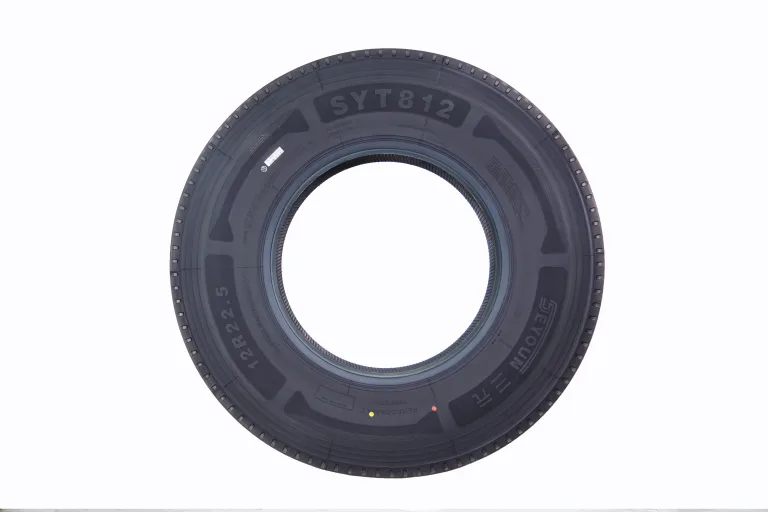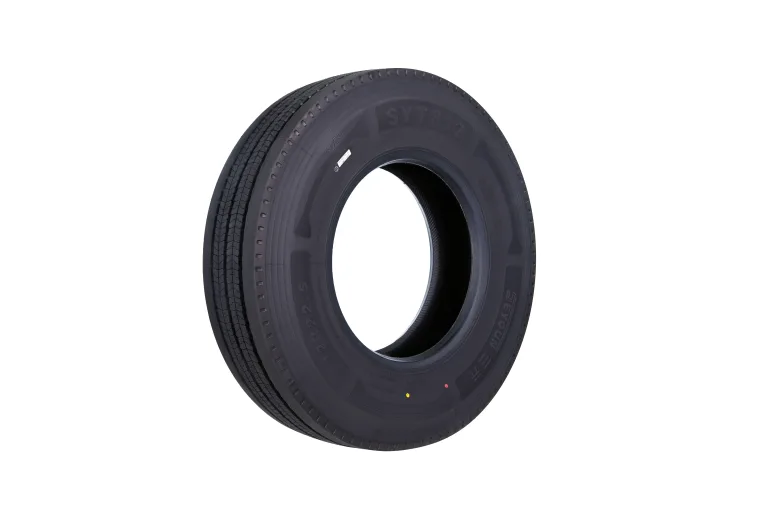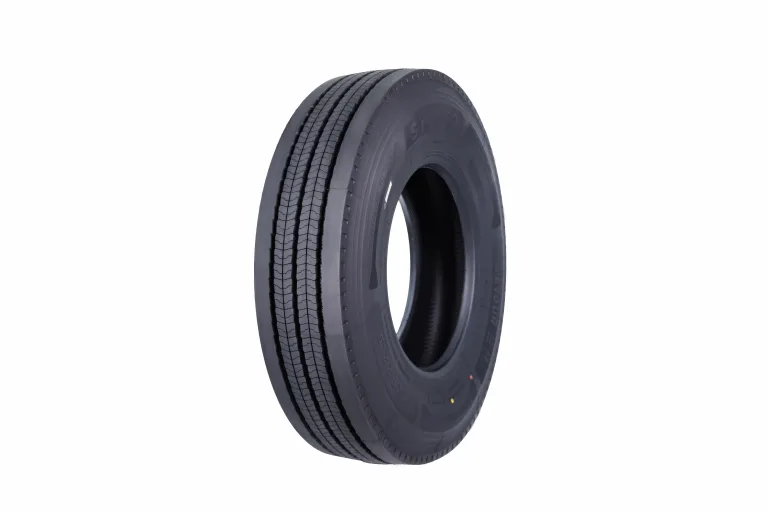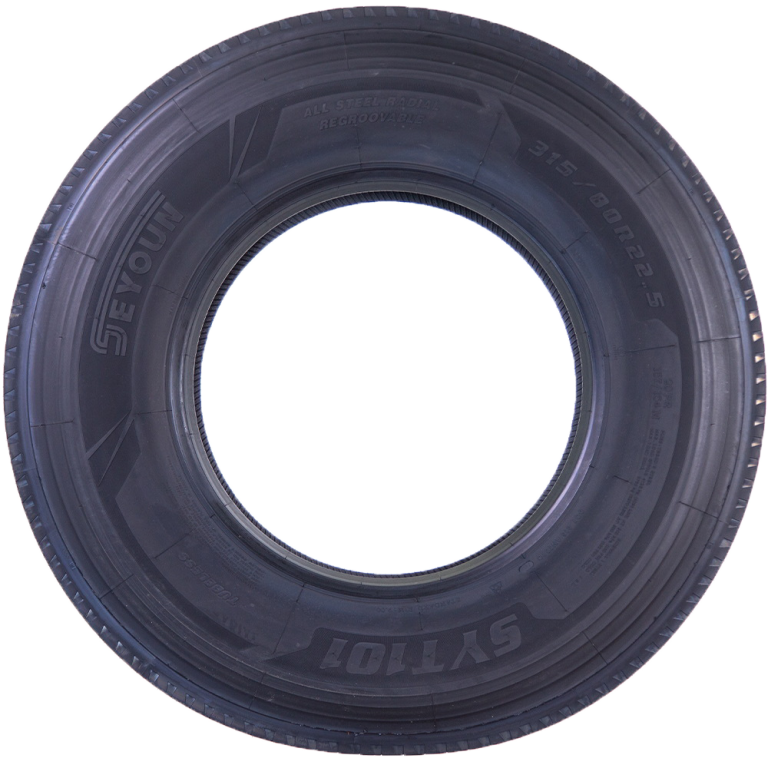










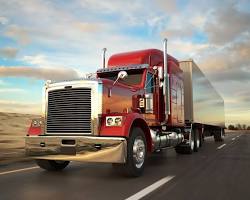
The SEYOUN SYT812 is a premium, high-mileage radial truck tire engineered explicitly for long-haul and regional highway operations on drive axles. Combining advanced compounding technology with a sophisticated micro-siping footprint, the SYT812 provides an exceptional combination of outstanding fuel economy, stellar anti-irregular wear protection, and ultimate wet-weather handling safety. It stands as the definitive high-efficiency, cost-per-mile solution for modern commercial fleets looking to maximize uptime and drop their Total Cost of Ownership (TCO).
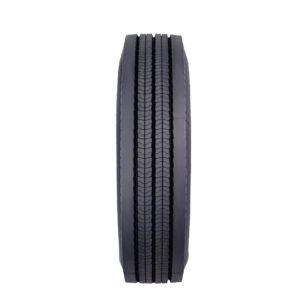 SYT812 Tread Pattern Design
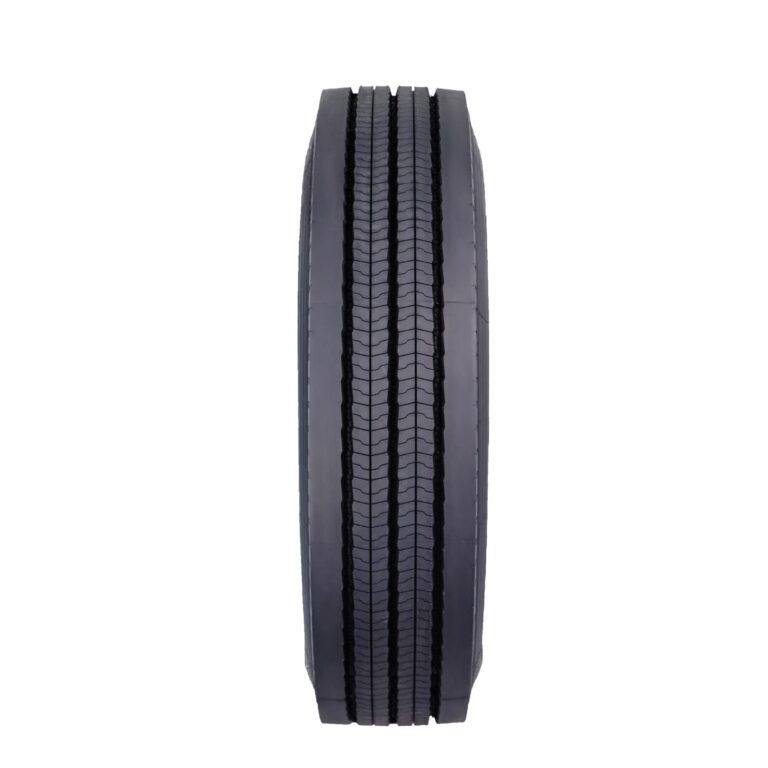
The SYT812 features a highly optimized 4-rib configuration with four deep circumferential channels. This streamlined aerodynamic blueprint reduces rolling resistance to the absolute minimum, allowing heavy-duty rigs to cruise efficiently and directly contributing to significant fleet fuel savings across cross-country line hauls.
Built with massive, continuous outer shoulder ribs, this tire offers supreme lateral stiffness and stability under full load capacities. By evenly distributing ground contact pressure, the solid shoulder design resists severe scrubbing during highway tracking and lane changes, effectively eliminating irregular rib wear, shoulder scalloping, and wiping.
The central ribs are engineered with computerized, high-density wave-shaped sipes. These precision siping edges provide a massive volume of micro-biting surfaces that instantly slice through surface water films. This ensures strong traction on both wet and dry roads, shorter braking distances, and precise steering feedback during sudden summer downpours.
| Pattern | Size | PR | LI&SS | Overall Diameter(mm) |
Load Capacity(kg) |
Inflation Pressure(kpa) |
Section Width(mm) |
Standard Rim(inch) |
Tread Depth (mm) |
|
| Single | Dual | |||||||||
| SYT812 | 12R22.5 | 18 | 152/149K | 1,085 | 3,550 | 3,250 | 930 | 300 | 9.00 | 19 |
| Available Sizes | ||||||
| 6.50R16LT | 9.00R20 | 11R24.5 | 13R22.5 | 245/70R17.5 | 295/60R22.5 | 295/75R22.5 |
| 7.00R16LT | 10.00R20 | 12.00R20 | 215/75R17.5 | 245/70R19.5 | 275/80R22.5 | 315/70R22.5 |
| 7.50R16LT | 11.00R20 | 12.00R24 | 225/80R17.5 | 265/70R19.5 | 295/80R22.5 | 385/65R22.5 |
| 8.25R16LT | 11R22.5 | 12R22.5 | 235/75R17.5 | 275/70R22.5 | 315/80R22.5 | 205/85R16LT |
1.High Wear Resistance 4.Long Mileage Performance
Special tread compound design extends tire life and reduces cost per km. Optimized footprint distbution promotes even wear and longer mileage.
2.Strong Traction Performance 5.Fuel Saving
Deep grooves and block design provide excellent grip on wet and dey roads. Low roling resistance design helps reduce fuel consumption.
3.High Load Capacity 6.Safe & Reliable
Reinforced carcass structure enpures high load capacity and durabllity. Superior stablity and braking performance ensure driving safety.









 SYT812 Truck Tire OverviewSYT812 Tread Pattern Design
| Pattern | Size | PR | LI&SS | Overall Diameter(mm) | Load Capacity(kg) | Inflation Pressure(kpa) | Section Width(mm) | Standard Rim(inch) | Tread Depth (mm) | |
| Single | Dual | |||||||||
| SYT812 | 12R22.5 | 18 | 152/149K | 1,085 | 3,550 | 3,250 | 930 | 300 | 9.00 | 19 |
| Available Sizes | ||||||
| 6.50R16LT | 9.00R20 | 11R24.5 | 13R22.5 | 245/70R17.5 | 295/60R22.5 | 295/75R22.5 |
| 7.00R16LT | 10.00R20 | 12.00R20 | 215/75R17.5 | 245/70R19.5 | 275/80R22.5 | 315/70R22.5 |
| 7.50R16LT | 11.00R20 | 12.00R24 | 225/80R17.5 | 265/70R19.5 | 295/80R22.5 | 385/65R22.5 |
| 8.25R16LT | 11R22.5 | 12R22.5 | 235/75R17.5 | 275/70R22.5 | 315/80R22.5 | 205/85R16LT |
1.High Wear Resistance 4.Long Mileage Performance Special tread compound design extends tire life and reduces cost per km. Optimized footprint distbution promotes even wear and longer mileage. 2.Strong Traction Performance 5.Fuel Saving Deep grooves and block design provide excellent grip on wet and dey roads. Low roling resistance design helps reduce fuel consumption.
3.High Load Capacity 6.Safe & Reliable Reinforced carcass structure enpures high load capacity and durabllity. Superior stablity and braking performance ensure driving safety.

 SYT812 Truck Tire OverviewSYT812 Tread Pattern Design
| Pattern | Size | PR | LI&SS | Overall Diameter(mm) | Load Capacity(kg) | Inflation Pressure(kpa) | Section Width(mm) | Standard Rim(inch) | Tread Depth (mm) | |
| Single | Dual | |||||||||
| SYT812 | 12R22.5 | 18 | 152/149K | 1,085 | 3,550 | 3,250 | 930 | 300 | 9.00 | 19 |
| Available Sizes | ||||||
| 6.50R16LT | 9.00R20 | 11R24.5 | 13R22.5 | 245/70R17.5 | 295/60R22.5 | 295/75R22.5 |
| 7.00R16LT | 10.00R20 | 12.00R20 | 215/75R17.5 | 245/70R19.5 | 275/80R22.5 | 315/70R22.5 |
| 7.50R16LT | 11.00R20 | 12.00R24 | 225/80R17.5 | 265/70R19.5 | 295/80R22.5 | 385/65R22.5 |
| 8.25R16LT | 11R22.5 | 12R22.5 | 235/75R17.5 | 275/70R22.5 | 315/80R22.5 | 205/85R16LT |
1.High Wear Resistance 4.Long Mileage Performance Special tread compound design extends tire life and reduces cost per km. Optimized footprint distbution promotes even wear and longer mileage. 2.Strong Traction Performance 5.Fuel Saving Deep grooves and block design provide excellent grip on wet and dey roads. Low roling resistance design helps reduce fuel consumption.
3.High Load Capacity 6.Safe & Reliable Reinforced carcass structure enpures high load capacity and durabllity. Superior stablity and braking performance ensure driving safety.