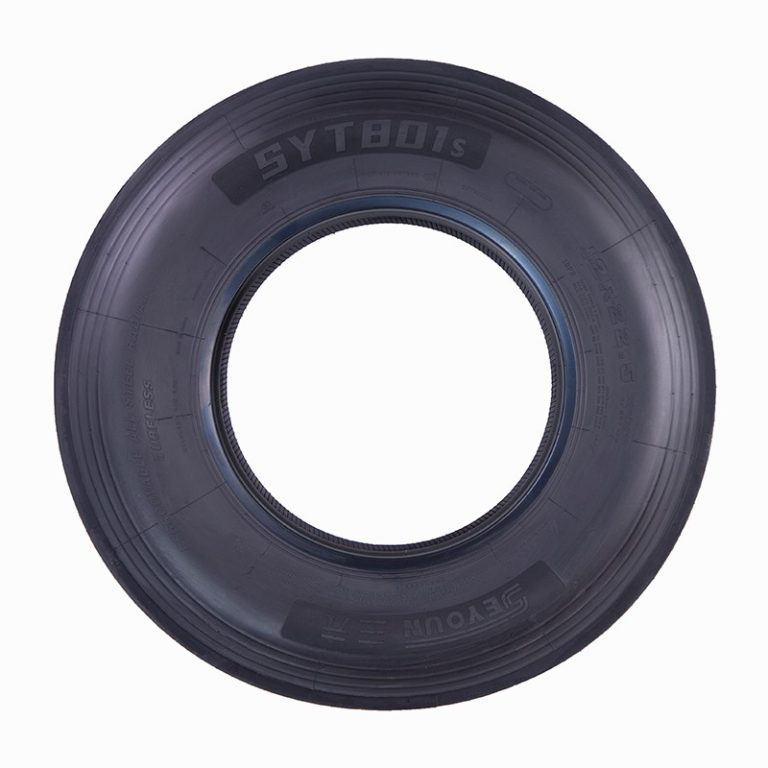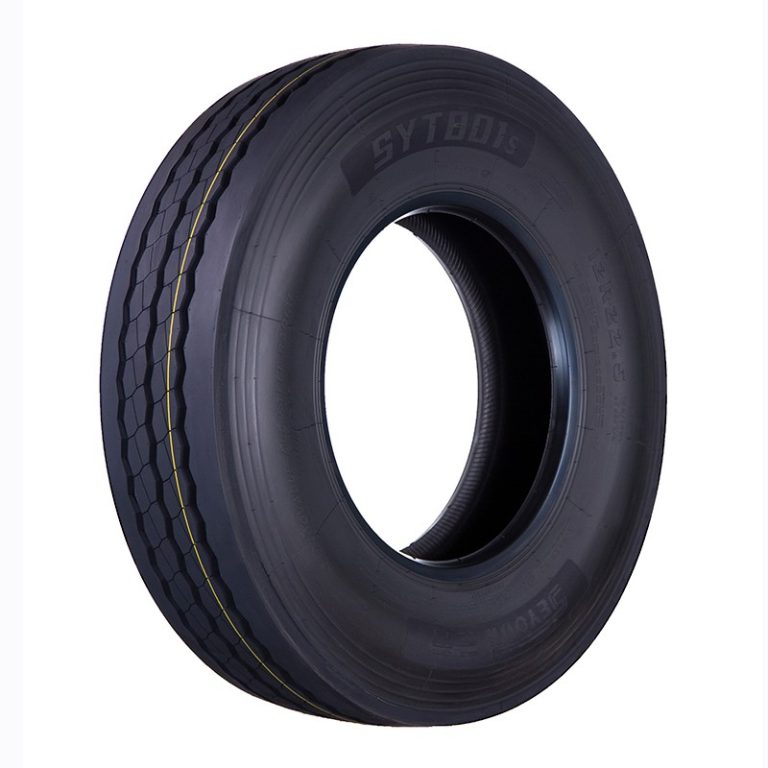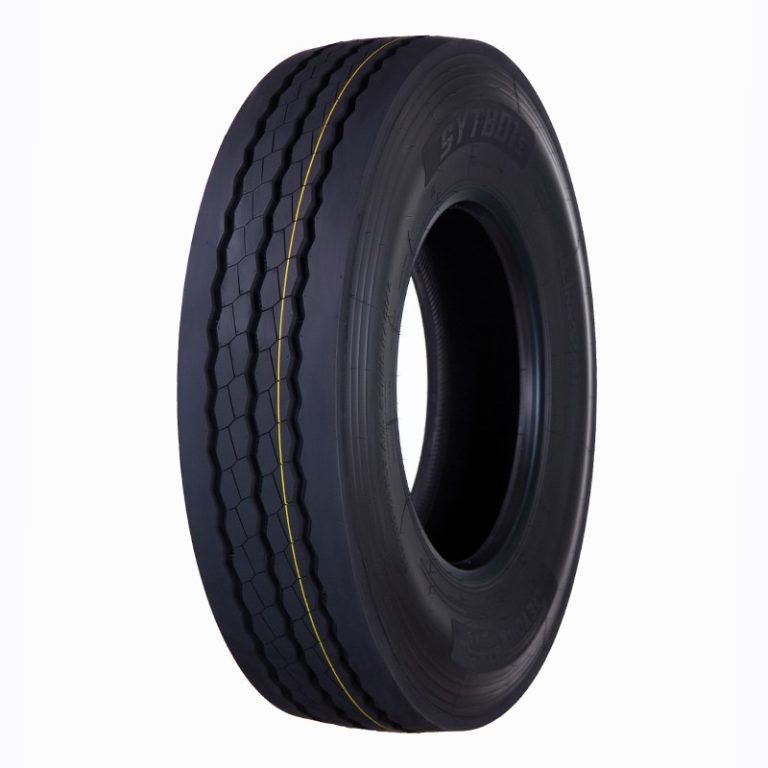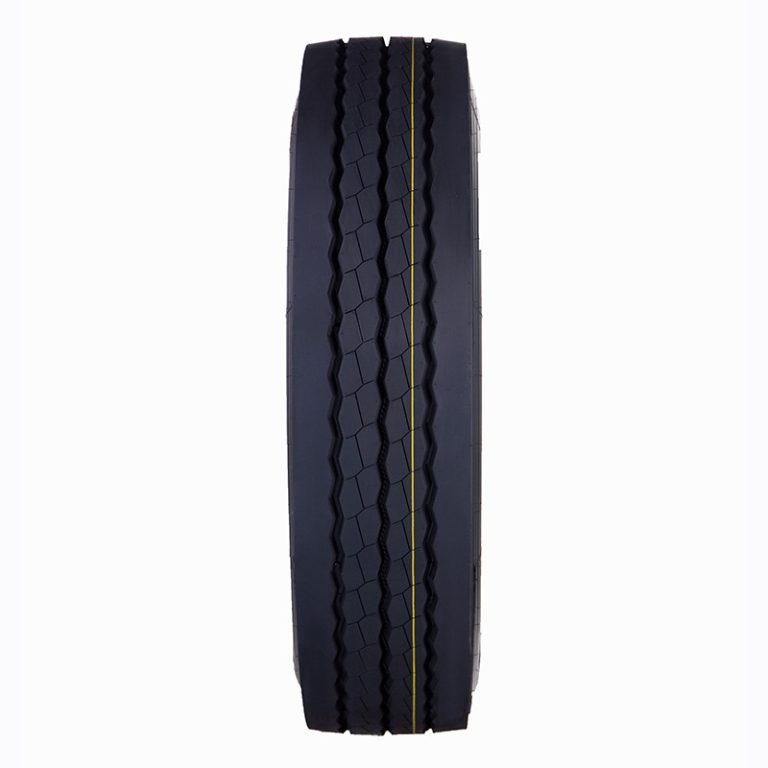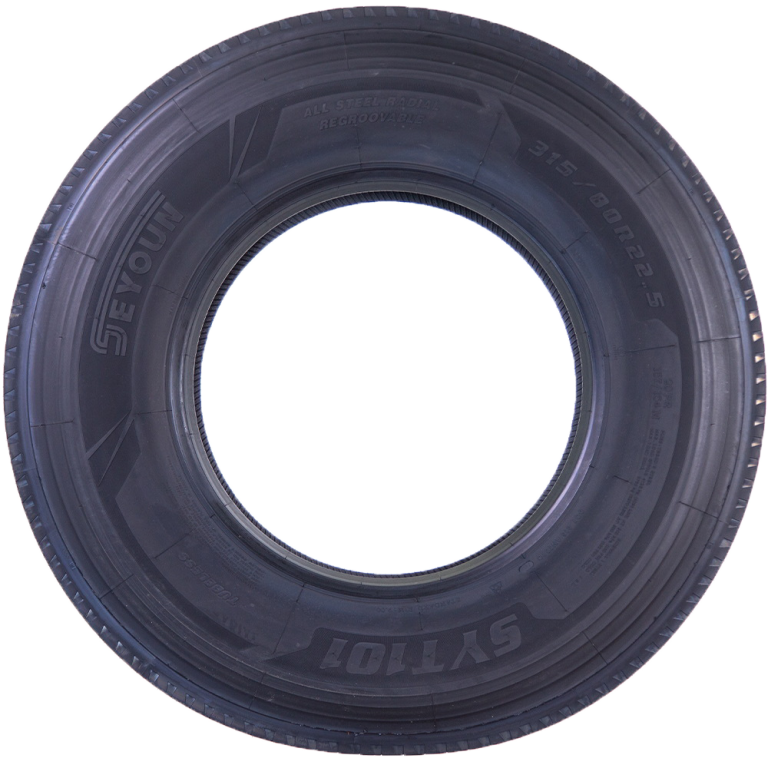










The SEYOUN SYT801 is a premier-mileage, exceptionally resilient all-position commercial truck tire masterfully optimized for commercial fleets thriving in demanding Regional Hauling operations. Engineered on a severe-duty premium steel carcass, the SYT801 features an advanced four-rib zig-zag pattern structure that offers seamless interchangeability across steer, drive, and trailing trailer axles. For transport enterprises navigating high-frequency intercity routes with heavy loads, the SYT801 acts as the ultimate fleet solution—successfully mitigating irregular shoulder wear, extending removal mileage, and drastically lowering the aggregate operational cost-per-mile.
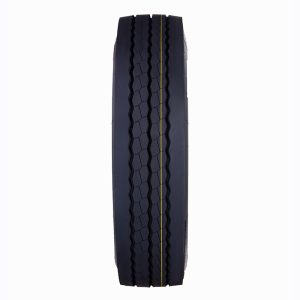 SYT801 Tread Pattern Design
The tread relies on four engineered continuous zig-zag longitudinal channels that ensure a perfectly uniform tire-to-road footprint. When mounted on the critical steer axle, this layout provides razor-sharp directional response and maximum wet steering control, actively displacing water to prevent hazardous side-slipping.
The inner ribs feature wavy geometric block walls that redistribute ground pressure evenly across the tread. On drive axles, this layout smoothly handles high torque from frequent starting and braking, successfully wiping out early irregular heel-and-toe wear while maintaining low rolling resistance for optimized fuel efficiency.
The extra-wide outer shoulders are engineered as continuous solid ribs without circumferential interruptions. When rotated to trailing trailer positions, these rigid shoulders easily absorb severe lateral scrubbing and pulling forces during tight roundabouts and loading dock maneuvers, completely eliminating tread chunking and shoulder step-wear.
| Pattern | Size | PR | LI&SS | Overall Diameter(mm) |
Load Capacity(kg) | Inflation Pressure(kpa) | Section Width (mm) |
Standard Rim (mm) |
Tread Depth (mm) | |
| Single | Dual | |||||||||
| SYT801 | 12R22.5 | 18 | 152/149L | 1,085 | 3,550 | 3,250 | 930 | 300 | 9.00 | 17.7 |
| Available Sizes | ||||||
| 6.50R16LT | 9.00R20 | 11R24.5 | 13R22.5 | 245/70R17.5 | 295/60R22.5 | 295/75R22.5 |
| 7.00R16LT | 10.00R20 | 12.00R20 | 215/75R17.5 | 245/70R19.5 | 275/80R22.5 | 315/70R22.5 |
| 7.50R16LT | 11.00R20 | 12.00R24 | 225/80R17.5 | 265/70R19.5 | 295/80R22.5 | 385/65R22.5 |
| 8.25R16LT | 11R22.5 | 12R22.5 | 235/75R17.5 | 275/70R22.5 | 315/80R22.5 | 205/85R16LT |
1.High Wear Resistance 4.Long Mileage Performance
Special tread compound design extends tire life and reduces cost per km. Optimized footprint distbution promotes even wear and longer mileage.
2.Strong Traction Performance 5.Fuel Saving
Deep grooves and block design provide excellent grip on wet and dey roads. Low roling resistance design helps reduce fuel consumption.
3.High Load Capacity 6.Safe & Reliable
Reinforced carcass structure enpures high load capacity and durabllity. Superior stablity and braking performance ensure driving safety.











 SYT801 Tread Pattern Design
The tread relies on four engineered continuous zig-zag longitudinal channels that ensure a perfectly uniform tire-to-road footprint. When mounted on the critical steer axle, this layout provides razor-sharp directional response and maximum wet steering control, actively displacing water to prevent hazardous side-slipping.
The inner ribs feature wavy geometric block walls that redistribute ground pressure evenly across the tread. On drive axles, this layout smoothly handles high torque from frequent starting and braking, successfully wiping out early irregular heel-and-toe wear while maintaining low rolling resistance for optimized fuel efficiency.
The extra-wide outer shoulders are engineered as continuous solid ribs without circumferential interruptions. When rotated to trailing trailer positions, these rigid shoulders easily absorb severe lateral scrubbing and pulling forces during tight roundabouts and loading dock maneuvers, completely eliminating tread chunking and shoulder step-wear.
| Pattern | Size | PR | LI&SS | Overall Diameter(mm) | Load Capacity(kg) | Inflation Pressure(kpa) | Section Width (mm) | Standard Rim (mm) | Tread Depth (mm) | |
| Single | Dual | |||||||||
| SYT801 | 12R22.5 | 18 | 152/149L | 1,085 | 3,550 | 3,250 | 930 | 300 | 9.00 | 17.7 |
| Available Sizes | ||||||
| 6.50R16LT | 9.00R20 | 11R24.5 | 13R22.5 | 245/70R17.5 | 295/60R22.5 | 295/75R22.5 |
| 7.00R16LT | 10.00R20 | 12.00R20 | 215/75R17.5 | 245/70R19.5 | 275/80R22.5 | 315/70R22.5 |
| 7.50R16LT | 11.00R20 | 12.00R24 | 225/80R17.5 | 265/70R19.5 | 295/80R22.5 | 385/65R22.5 |
| 8.25R16LT | 11R22.5 | 12R22.5 | 235/75R17.5 | 275/70R22.5 | 315/80R22.5 | 205/85R16LT |
1.High Wear Resistance 4.Long Mileage Performance Special tread compound design extends tire life and reduces cost per km. Optimized footprint distbution promotes even wear and longer mileage. 2.Strong Traction Performance 5.Fuel Saving Deep grooves and block design provide excellent grip on wet and dey roads. Low roling resistance design helps reduce fuel consumption.
3.High Load Capacity 6.Safe & Reliable Reinforced carcass structure enpures high load capacity and durabllity. Superior stablity and braking performance ensure driving safety.
 SYT801 Tread Pattern Design
The tread relies on four engineered continuous zig-zag longitudinal channels that ensure a perfectly uniform tire-to-road footprint. When mounted on the critical steer axle, this layout provides razor-sharp directional response and maximum wet steering control, actively displacing water to prevent hazardous side-slipping.
The inner ribs feature wavy geometric block walls that redistribute ground pressure evenly across the tread. On drive axles, this layout smoothly handles high torque from frequent starting and braking, successfully wiping out early irregular heel-and-toe wear while maintaining low rolling resistance for optimized fuel efficiency.
The extra-wide outer shoulders are engineered as continuous solid ribs without circumferential interruptions. When rotated to trailing trailer positions, these rigid shoulders easily absorb severe lateral scrubbing and pulling forces during tight roundabouts and loading dock maneuvers, completely eliminating tread chunking and shoulder step-wear.
| Pattern | Size | PR | LI&SS | Overall Diameter(mm) | Load Capacity(kg) | Inflation Pressure(kpa) | Section Width (mm) | Standard Rim (mm) | Tread Depth (mm) | |
| Single | Dual | |||||||||
| SYT801 | 12R22.5 | 18 | 152/149L | 1,085 | 3,550 | 3,250 | 930 | 300 | 9.00 | 17.7 |
| Available Sizes | ||||||
| 6.50R16LT | 9.00R20 | 11R24.5 | 13R22.5 | 245/70R17.5 | 295/60R22.5 | 295/75R22.5 |
| 7.00R16LT | 10.00R20 | 12.00R20 | 215/75R17.5 | 245/70R19.5 | 275/80R22.5 | 315/70R22.5 |
| 7.50R16LT | 11.00R20 | 12.00R24 | 225/80R17.5 | 265/70R19.5 | 295/80R22.5 | 385/65R22.5 |
| 8.25R16LT | 11R22.5 | 12R22.5 | 235/75R17.5 | 275/70R22.5 | 315/80R22.5 | 205/85R16LT |
1.High Wear Resistance 4.Long Mileage Performance Special tread compound design extends tire life and reduces cost per km. Optimized footprint distbution promotes even wear and longer mileage. 2.Strong Traction Performance 5.Fuel Saving Deep grooves and block design provide excellent grip on wet and dey roads. Low roling resistance design helps reduce fuel consumption.
3.High Load Capacity 6.Safe & Reliable Reinforced carcass structure enpures high load capacity and durabllity. Superior stablity and braking performance ensure driving safety.