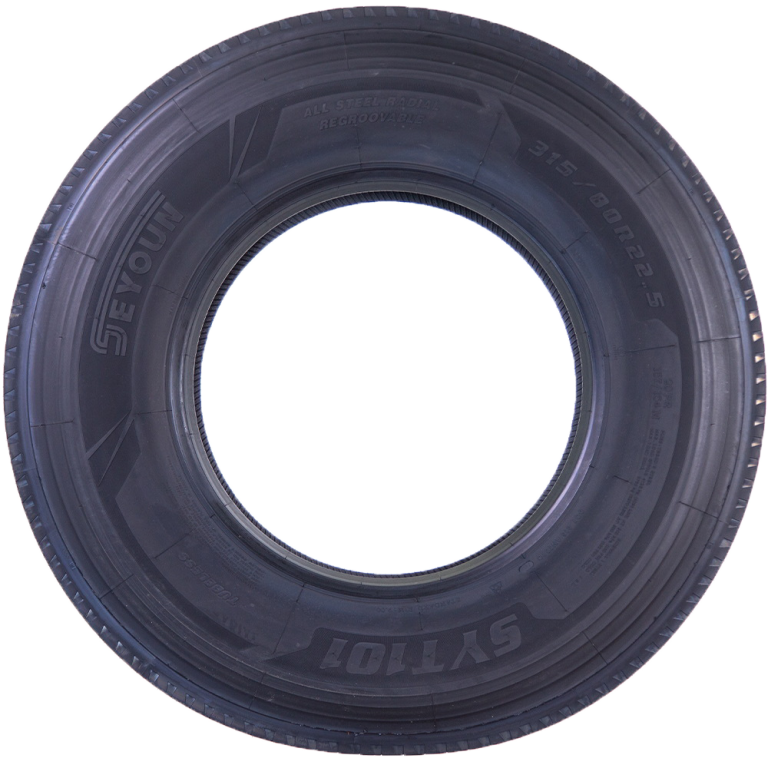








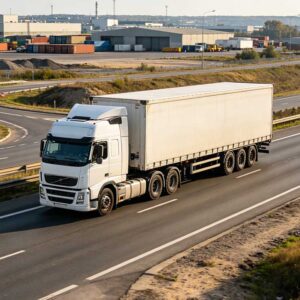
The SEYOUN SYT899 is a highly versatile, heavy-ply all-position radial truck tire masterfully optimized for thriving fleets in Regional Hauling operations. Engineered with an advanced four-rib zig-zag pattern structure, the SYT899 offers seamless configuration flexibility across steer, drive, and trailing axles. For large-scale transport enterprises navigating high-frequency regional loops with varied cargo demands, this model serves as the ultimate fleet solution—successfully mitigating irregular wear, extending removal mileage, and optimizing the operational total cost per mile.
 SYT899 Tread Pattern Design
The tread relies on four engineered zig-zag longitudinal continuous grooves. This layout maximizes directional tracking precision when mounted on the steer axle, while actively redistributing ground-contact pressure evenly to wipe out early irregular shoulder or heel-and-toe wear under high payload distributions.
The wavy walls of the inner ribs act as dynamic biting sipes. During unexpected rainstorms on national routes, these channels immediately slice through surface water film, drastically enhancing wet-grip braking performance and preventing hazardous hydroplaning or side-slipping.
The extra-wide, un-grooved solid outer shoulders are tailored to handle severe scrubbing forces. When the tire is assigned to the rear trailing axles, these rigid shoulders easily absorb severe tearing and twisting during sharp city turns and docking maneuvers, maintaining structural integrity without chunking.
| Pattern | Size | PR | LI&SS | Overall Diameter(mm) |
Load Capacity(kg) | Inflation Pressure(kpa) | Section Width (mm) |
Standard Rim (inch) |
Tread Depth (mm) | |
| Single | Dual | |||||||||
| SYT899 | 10,00R20 | 18 | 149/146K | 1,054 | 3,250 | 3,000 | 930 | 278 | 7.50 | 17.0 |
| 11.00R20 | 20 | 153/150K | 1,085 | 3,550 | 3,250 | 930 | 293 | 8.00 | 18.0 | |
| 12.00R20 | 20 | 156/153k | 1,125 | 4,000 | 3,650 | 900 | 315 | 8.50 | 18.0 | |
| 12.00R20 | 22 | 158/155K | 1,125 | 4,250 | 3,875 | 960 | 315 | 8.50 | 18.0 | |
| 12R22.5 | 18 | 152/149K | 1,085 | 3,550 | 3,250 | 930 | 300 | 9.00 | 18.0 | |
| 13R22.5 | 20 | 156/153k | 1,124 | 4,000 | 3,650 | 930 | 320 | 9.75 | 18.0 | |
| Available Sizes | ||||||
| 6.50R16LT | 9.00R20 | 11R24.5 | 13R22.5 | 245/70R17.5 | 295/60R22.5 | 295/75R22.5 |
| 7.00R16LT | 10.00R20 | 12.00R20 | 215/75R17.5 | 245/70R19.5 | 275/80R22.5 | 315/70R22.5 |
| 7.50R16LT | 11.00R20 | 12.00R24 | 225/80R17.5 | 265/70R19.5 | 295/80R22.5 | 385/65R22.5 |
| 8.25R16LT | 11R22.5 | 12R22.5 | 235/75R17.5 | 275/70R22.5 | 315/80R22.5 | 205/85R16LT |
1.High Wear Resistance 4.Long Mileage Performance
Special tread compound design extends tire life and reduces cost per km. Optimized footprint distbution promotes even wear and longer mileage.
2.Strong Traction Performance 5.Fuel Saving
Deep grooves and block design provide excellent grip on wet and dey roads. Low roling resistance design helps reduce fuel consumption.
3.High Load Capacity 6.Safe & Reliable
Reinforced carcass structure enpures high load capacity and durabllity. Superior stablity and braking performance ensure driving safety.




 SYT899 Tread Pattern Design
The tread relies on four engineered zig-zag longitudinal continuous grooves. This layout maximizes directional tracking precision when mounted on the steer axle, while actively redistributing ground-contact pressure evenly to wipe out early irregular shoulder or heel-and-toe wear under high payload distributions.
The wavy walls of the inner ribs act as dynamic biting sipes. During unexpected rainstorms on national routes, these channels immediately slice through surface water film, drastically enhancing wet-grip braking performance and preventing hazardous hydroplaning or side-slipping.
The extra-wide, un-grooved solid outer shoulders are tailored to handle severe scrubbing forces. When the tire is assigned to the rear trailing axles, these rigid shoulders easily absorb severe tearing and twisting during sharp city turns and docking maneuvers, maintaining structural integrity without chunking.
| Pattern | Size | PR | LI&SS | Overall Diameter(mm) | Load Capacity(kg) | Inflation Pressure(kpa) | Section Width (mm) | Standard Rim (inch) | Tread Depth (mm) | |
| Single | Dual | |||||||||
| SYT899 | 10,00R20 | 18 | 149/146K | 1,054 | 3,250 | 3,000 | 930 | 278 | 7.50 | 17.0 |
| 11.00R20 | 20 | 153/150K | 1,085 | 3,550 | 3,250 | 930 | 293 | 8.00 | 18.0 | |
| 12.00R20 | 20 | 156/153k | 1,125 | 4,000 | 3,650 | 900 | 315 | 8.50 | 18.0 | |
| 12.00R20 | 22 | 158/155K | 1,125 | 4,250 | 3,875 | 960 | 315 | 8.50 | 18.0 | |
| 12R22.5 | 18 | 152/149K | 1,085 | 3,550 | 3,250 | 930 | 300 | 9.00 | 18.0 | |
| 13R22.5 | 20 | 156/153k | 1,124 | 4,000 | 3,650 | 930 | 320 | 9.75 | 18.0 | |
| Available Sizes | ||||||
| 6.50R16LT | 9.00R20 | 11R24.5 | 13R22.5 | 245/70R17.5 | 295/60R22.5 | 295/75R22.5 |
| 7.00R16LT | 10.00R20 | 12.00R20 | 215/75R17.5 | 245/70R19.5 | 275/80R22.5 | 315/70R22.5 |
| 7.50R16LT | 11.00R20 | 12.00R24 | 225/80R17.5 | 265/70R19.5 | 295/80R22.5 | 385/65R22.5 |
| 8.25R16LT | 11R22.5 | 12R22.5 | 235/75R17.5 | 275/70R22.5 | 315/80R22.5 | 205/85R16LT |
1.High Wear Resistance 4.Long Mileage Performance Special tread compound design extends tire life and reduces cost per km. Optimized footprint distbution promotes even wear and longer mileage. 2.Strong Traction Performance 5.Fuel Saving Deep grooves and block design provide excellent grip on wet and dey roads. Low roling resistance design helps reduce fuel consumption.
3.High Load Capacity 6.Safe & Reliable Reinforced carcass structure enpures high load capacity and durabllity. Superior stablity and braking performance ensure driving safety.



 SYT899 Tread Pattern Design
The tread relies on four engineered zig-zag longitudinal continuous grooves. This layout maximizes directional tracking precision when mounted on the steer axle, while actively redistributing ground-contact pressure evenly to wipe out early irregular shoulder or heel-and-toe wear under high payload distributions.
The wavy walls of the inner ribs act as dynamic biting sipes. During unexpected rainstorms on national routes, these channels immediately slice through surface water film, drastically enhancing wet-grip braking performance and preventing hazardous hydroplaning or side-slipping.
The extra-wide, un-grooved solid outer shoulders are tailored to handle severe scrubbing forces. When the tire is assigned to the rear trailing axles, these rigid shoulders easily absorb severe tearing and twisting during sharp city turns and docking maneuvers, maintaining structural integrity without chunking.
| Pattern | Size | PR | LI&SS | Overall Diameter(mm) | Load Capacity(kg) | Inflation Pressure(kpa) | Section Width (mm) | Standard Rim (inch) | Tread Depth (mm) | |
| Single | Dual | |||||||||
| SYT899 | 10,00R20 | 18 | 149/146K | 1,054 | 3,250 | 3,000 | 930 | 278 | 7.50 | 17.0 |
| 11.00R20 | 20 | 153/150K | 1,085 | 3,550 | 3,250 | 930 | 293 | 8.00 | 18.0 | |
| 12.00R20 | 20 | 156/153k | 1,125 | 4,000 | 3,650 | 900 | 315 | 8.50 | 18.0 | |
| 12.00R20 | 22 | 158/155K | 1,125 | 4,250 | 3,875 | 960 | 315 | 8.50 | 18.0 | |
| 12R22.5 | 18 | 152/149K | 1,085 | 3,550 | 3,250 | 930 | 300 | 9.00 | 18.0 | |
| 13R22.5 | 20 | 156/153k | 1,124 | 4,000 | 3,650 | 930 | 320 | 9.75 | 18.0 | |
| Available Sizes | ||||||
| 6.50R16LT | 9.00R20 | 11R24.5 | 13R22.5 | 245/70R17.5 | 295/60R22.5 | 295/75R22.5 |
| 7.00R16LT | 10.00R20 | 12.00R20 | 215/75R17.5 | 245/70R19.5 | 275/80R22.5 | 315/70R22.5 |
| 7.50R16LT | 11.00R20 | 12.00R24 | 225/80R17.5 | 265/70R19.5 | 295/80R22.5 | 385/65R22.5 |
| 8.25R16LT | 11R22.5 | 12R22.5 | 235/75R17.5 | 275/70R22.5 | 315/80R22.5 | 205/85R16LT |
1.High Wear Resistance 4.Long Mileage Performance Special tread compound design extends tire life and reduces cost per km. Optimized footprint distbution promotes even wear and longer mileage. 2.Strong Traction Performance 5.Fuel Saving Deep grooves and block design provide excellent grip on wet and dey roads. Low roling resistance design helps reduce fuel consumption.
3.High Load Capacity 6.Safe & Reliable Reinforced carcass structure enpures high load capacity and durabllity. Superior stablity and braking performance ensure driving safety.