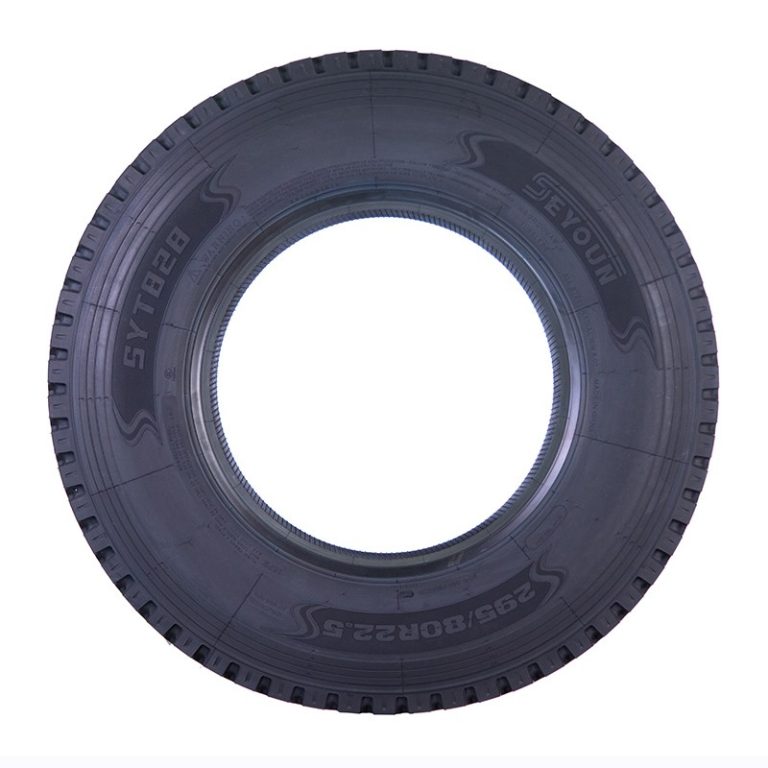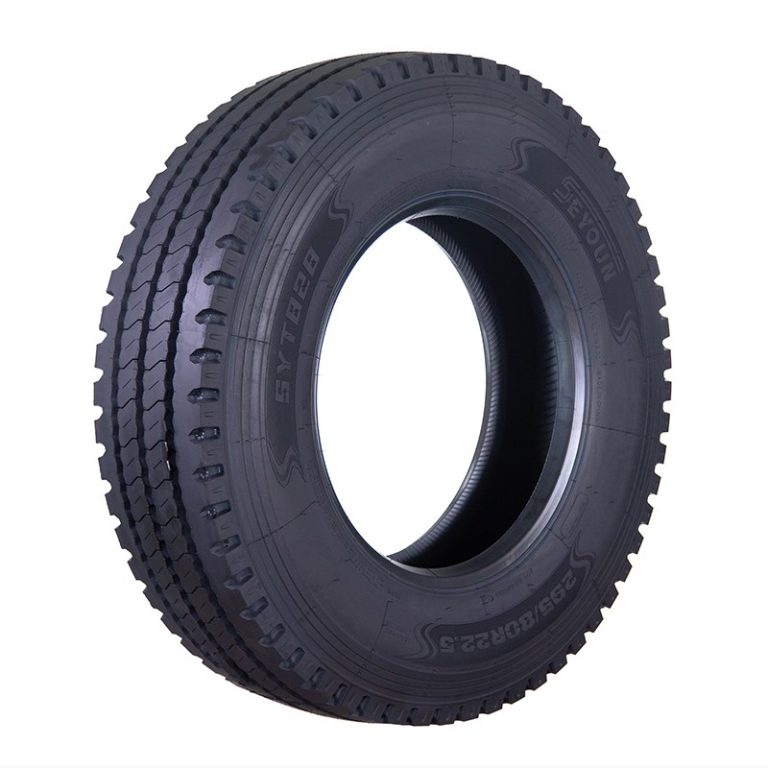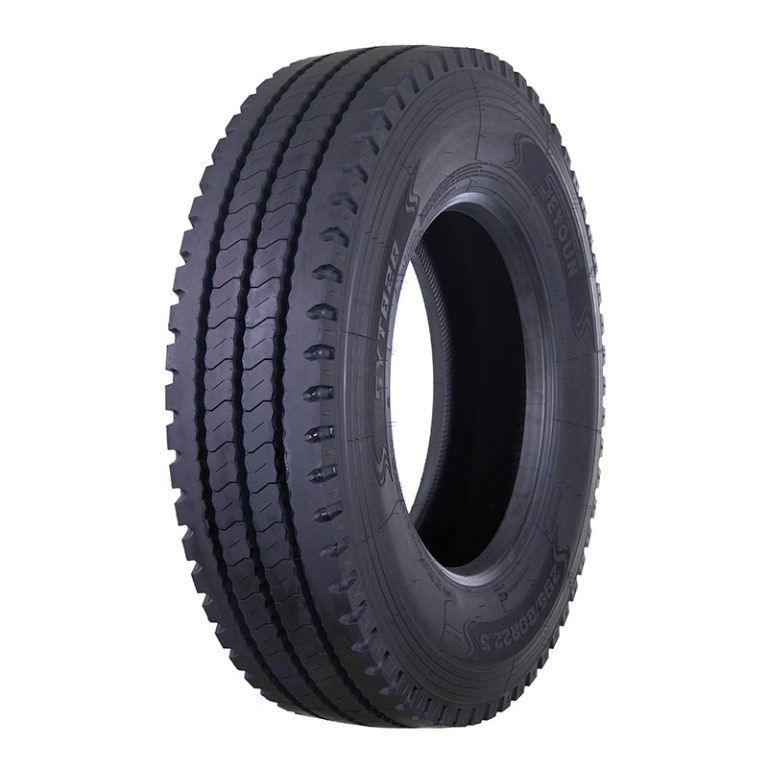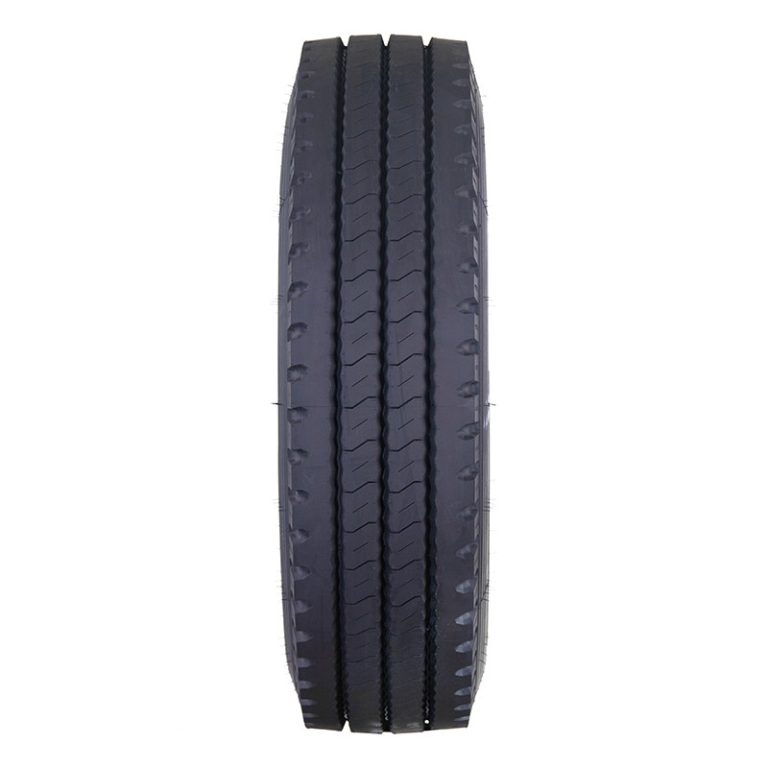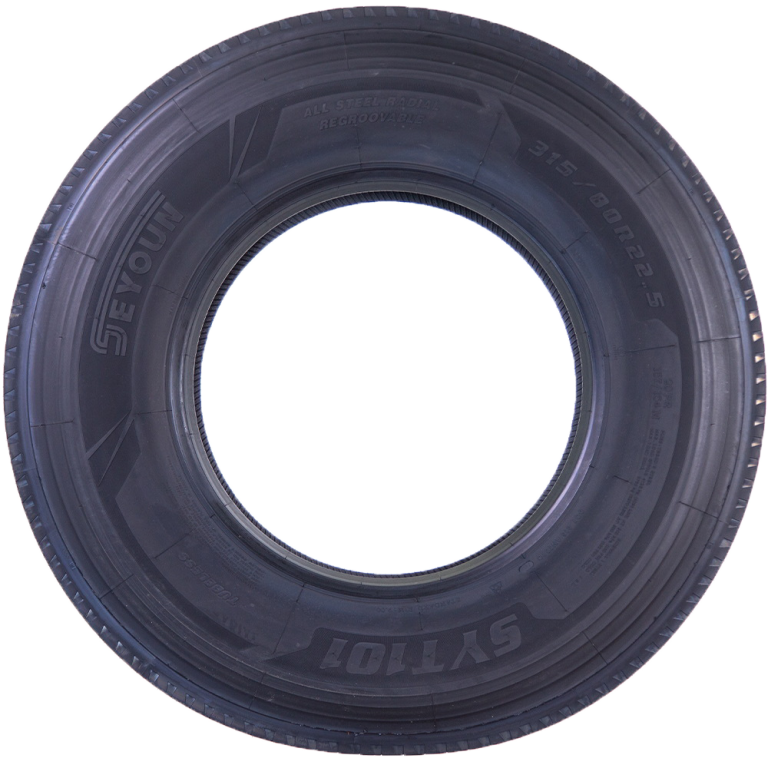











The SEYOUN SYT828 is a state-of-the-art, premium-mileage all-position commercial truck tire purposefully optimized for high-efficiency fleets running Regional Hauling applications. Built on a robust 18PR high-ply all-steel matrix, the SYT828 features an advanced four-rib zig-zag tread profile combined with specialized anti-scrub shoulder technology to allow total fleet management flexibility across steer, drive, and trailer axles. For transport operators looking to eliminate early irregular wear and optimize tire rotation schedules on intercity logistics networks, this model provides excellent wet steering control, cool-running endurance, and exceptional removal mileage.
 SYT828 Tread Pattern Design
The tread is engineered with four continuous zig-zag longitudinal channels that maintain constant ground connection. When assigned to the critical steer position, these grooves deliver razor-sharp directional response and unmatched lateral stability, keeping heavy cargo safely aligned even during high-speed highway maneuvers.
The shoulders are upgraded with alternating micro-sipes and side relief chambers. When running on trailing positions, these elements dynamically absorb the intensive lateral scrubbing forces generated during tight roundabouts and loading docks, effectively eliminating hazardous step-wear, cupping, and irregular shoulder erosion.
The inner rib edges incorporate multi-angled interlocking biting profiles. On rainy intercity routes, this design rapidly evacuates water from the footprint to prevent hydroplaning, decrease braking distances on slick asphalt, and deliver steady rolling traction for drive axles.
| Pattern | Size | PR | LI&SS | Overall Diameter(mm) |
Load Capacity(kg) | Inflation Pressure(kpa) | Section Width (mm) |
Standard Rim (inch) |
Tread Depth (mm) | |
| Single | Dual | |||||||||
| SYT828 | 295/80R22.5 | 18 | 152/149M | 1,044 | 3,550 | 3,250 | 930 | 298 | 9.00 | 19 |
| Available Sizes | ||||||
| 6.50R16LT | 9.00R20 | 11R24.5 | 13R22.5 | 245/70R17.5 | 295/60R22.5 | 295/75R22.5 |
| 7.00R16LT | 10.00R20 | 12.00R20 | 215/75R17.5 | 245/70R19.5 | 275/80R22.5 | 315/70R22.5 |
| 7.50R16LT | 11.00R20 | 12.00R24 | 225/80R17.5 | 265/70R19.5 | 295/80R22.5 | 385/65R22.5 |
| 8.25R16LT | 11R22.5 | 12R22.5 | 235/75R17.5 | 275/70R22.5 | 315/80R22.5 | 205/85R16LT |
1.High Wear Resistance 4.Long Mileage Performance
Special tread compound design extends tire life and reduces cost per km. Optimized footprint distbution promotes even wear and longer mileage.
2.Strong Traction Performance 5.Fuel Saving
Deep grooves and block design provide excellent grip on wet and dey roads. Low roling resistance design helps reduce fuel consumption.
3.High Load Capacity 6.Safe & Reliable
Reinforced carcass structure enpures high load capacity and durabllity. Superior stablity and braking performance ensure driving safety.





 SYT828 Tread Pattern Design
The tread is engineered with four continuous zig-zag longitudinal channels that maintain constant ground connection. When assigned to the critical steer position, these grooves deliver razor-sharp directional response and unmatched lateral stability, keeping heavy cargo safely aligned even during high-speed highway maneuvers.
The shoulders are upgraded with alternating micro-sipes and side relief chambers. When running on trailing positions, these elements dynamically absorb the intensive lateral scrubbing forces generated during tight roundabouts and loading docks, effectively eliminating hazardous step-wear, cupping, and irregular shoulder erosion.
The inner rib edges incorporate multi-angled interlocking biting profiles. On rainy intercity routes, this design rapidly evacuates water from the footprint to prevent hydroplaning, decrease braking distances on slick asphalt, and deliver steady rolling traction for drive axles.
| Pattern | Size | PR | LI&SS | Overall Diameter(mm) | Load Capacity(kg) | Inflation Pressure(kpa) | Section Width (mm) | Standard Rim (inch) | Tread Depth (mm) | |
| Single | Dual | |||||||||
| SYT828 | 295/80R22.5 | 18 | 152/149M | 1,044 | 3,550 | 3,250 | 930 | 298 | 9.00 | 19 |
| Available Sizes | ||||||
| 6.50R16LT | 9.00R20 | 11R24.5 | 13R22.5 | 245/70R17.5 | 295/60R22.5 | 295/75R22.5 |
| 7.00R16LT | 10.00R20 | 12.00R20 | 215/75R17.5 | 245/70R19.5 | 275/80R22.5 | 315/70R22.5 |
| 7.50R16LT | 11.00R20 | 12.00R24 | 225/80R17.5 | 265/70R19.5 | 295/80R22.5 | 385/65R22.5 |
| 8.25R16LT | 11R22.5 | 12R22.5 | 235/75R17.5 | 275/70R22.5 | 315/80R22.5 | 205/85R16LT |


 SYT828 Tread Pattern Design
The tread is engineered with four continuous zig-zag longitudinal channels that maintain constant ground connection. When assigned to the critical steer position, these grooves deliver razor-sharp directional response and unmatched lateral stability, keeping heavy cargo safely aligned even during high-speed highway maneuvers.
The shoulders are upgraded with alternating micro-sipes and side relief chambers. When running on trailing positions, these elements dynamically absorb the intensive lateral scrubbing forces generated during tight roundabouts and loading docks, effectively eliminating hazardous step-wear, cupping, and irregular shoulder erosion.
The inner rib edges incorporate multi-angled interlocking biting profiles. On rainy intercity routes, this design rapidly evacuates water from the footprint to prevent hydroplaning, decrease braking distances on slick asphalt, and deliver steady rolling traction for drive axles.
| Pattern | Size | PR | LI&SS | Overall Diameter(mm) | Load Capacity(kg) | Inflation Pressure(kpa) | Section Width (mm) | Standard Rim (inch) | Tread Depth (mm) | |
| Single | Dual | |||||||||
| SYT828 | 295/80R22.5 | 18 | 152/149M | 1,044 | 3,550 | 3,250 | 930 | 298 | 9.00 | 19 |
| Available Sizes | ||||||
| 6.50R16LT | 9.00R20 | 11R24.5 | 13R22.5 | 245/70R17.5 | 295/60R22.5 | 295/75R22.5 |
| 7.00R16LT | 10.00R20 | 12.00R20 | 215/75R17.5 | 245/70R19.5 | 275/80R22.5 | 315/70R22.5 |
| 7.50R16LT | 11.00R20 | 12.00R24 | 225/80R17.5 | 265/70R19.5 | 295/80R22.5 | 385/65R22.5 |
| 8.25R16LT | 11R22.5 | 12R22.5 | 235/75R17.5 | 275/70R22.5 | 315/80R22.5 | 205/85R16LT |