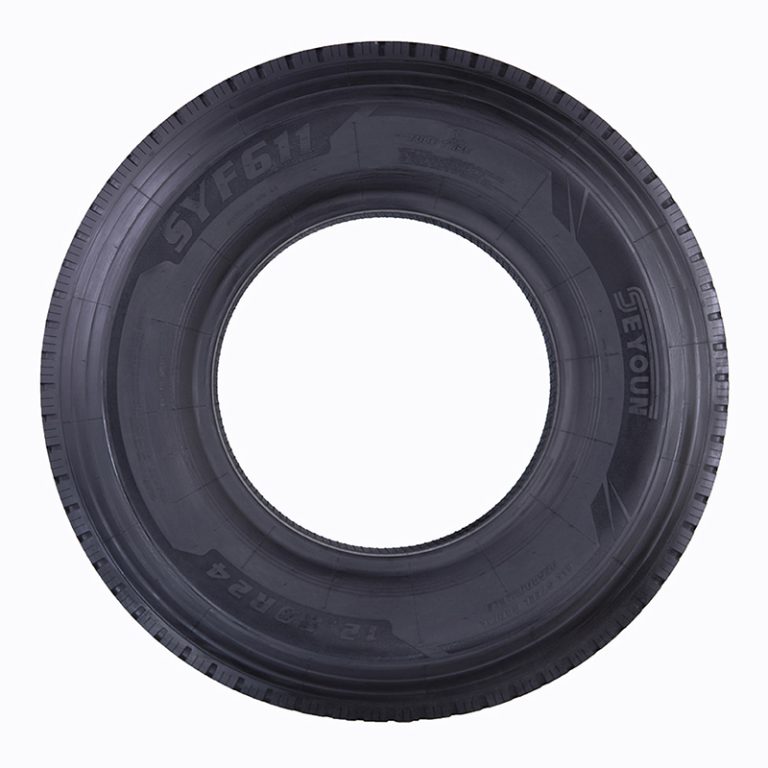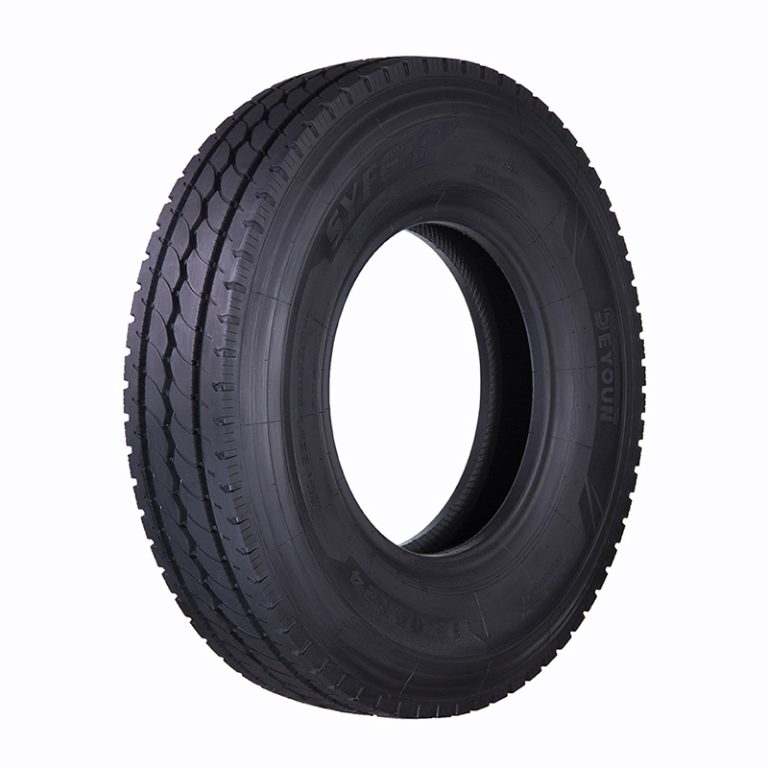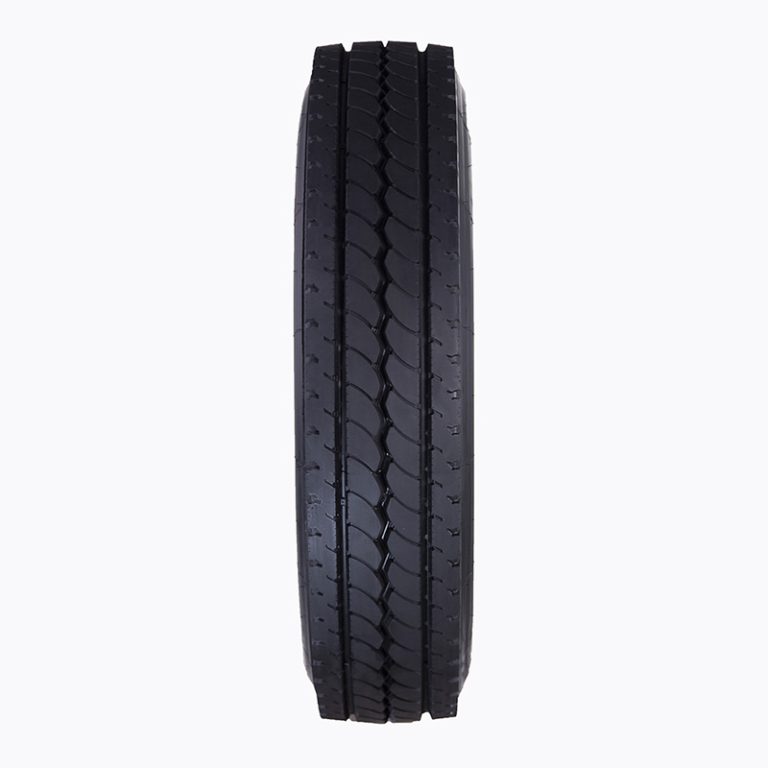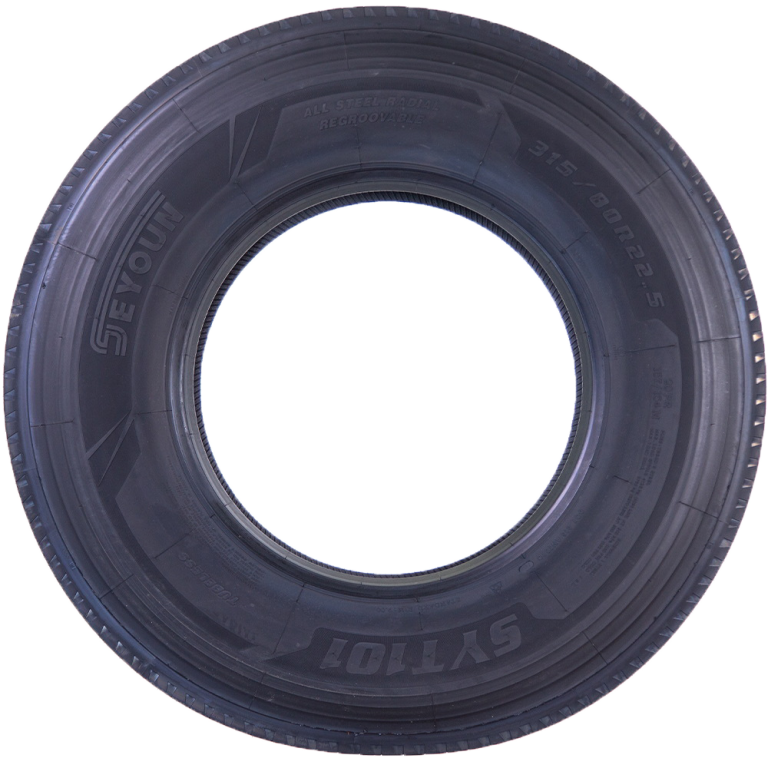








The SEYOUN SYF611 is a professional-grade, high-mileage all-position commercial radial truck tire expertly optimized for the demanding stresses of Regional Hauling and intercity freight distribution networks. Engineered with an advanced 20-ply heavy duty rating, this premium tire features a high-density steel belt carcass and a multi-rib profile, allowing for smooth, fluid rotation across steer, drive, and trailing trailer axles. Built specifically to deliver an eco-friendly balance of low rolling resistance, outstanding steer precision, and severe scrub resistance, the SYF611 significantly drops fleet per-mile operational overhead while maintaining uninterrupted logistics uptime.
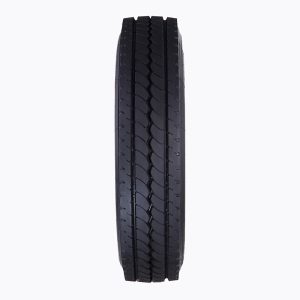 SYT611 Tread Pattern Design
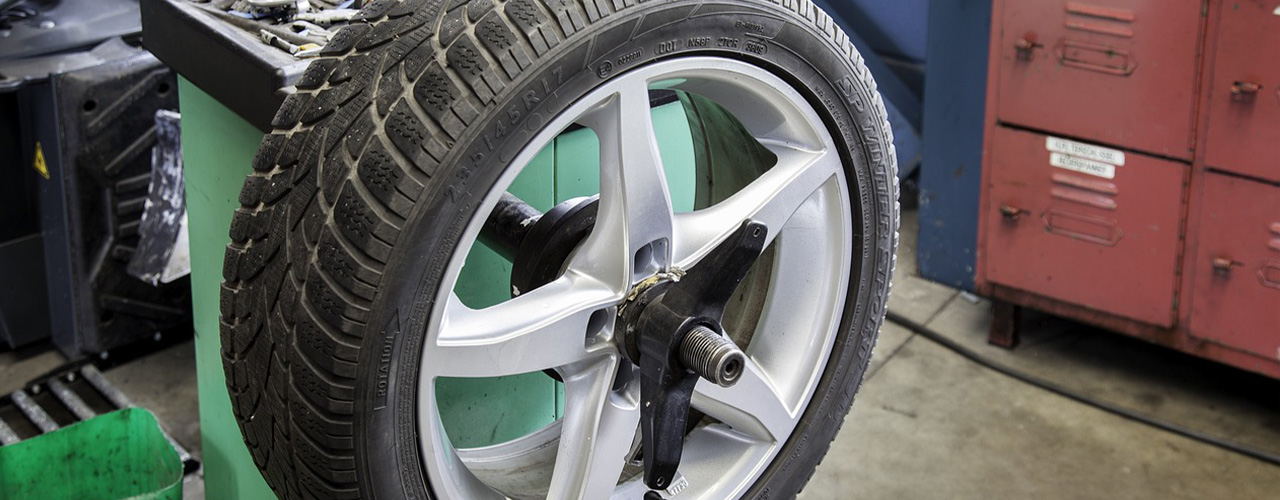
The tread incorporates a scientifically arranged sipes pattern matrix across the ribs. By managing block rigidity and minimizing friction-induced heat buildup during long-haul rotation, the SYF611 dramatically limits vehicle rolling resistance, cutting down fleet fuel expenditure and maximizing energy efficiency.
Constructed with four deep, linear wave tracking channels. When fitted on steering axles, this configuration instantly expels water from the footprint to keep direct rubber-to-road contact, delivering reliable all-season wet braking and accurate directional tracking under maximum payload configurations.
The shoulder zones are built with continuous, high-saturation heavy-duty rubber compounds. On trailing axles, the superior wear resistance provided by this structural layout protects the tread from lateral scraping, scrubbing, and irregular shoulder heel-and-toe wear, actively expanding the tire’s total physical service life.
| Pattern | Size | PR | LI&SS | Overall Diameter(mm) |
Load Capacity(kg) | Inflation Pressure(kpa) | Section Width (mm) |
Standard Rim (inch) |
Tread Depth (mm) | |
| Single | Dual | |||||||||
| SYF611 | 12.00R24 | 20 | 160/157K | 1,226 | 4,500 | 4,125 | 900 | 315 | 8.50 | 15.5 |
| Available Sizes | ||||||
| 6.50R16LT | 9.00R20 | 11R24.5 | 13R22.5 | 245/70R17.5 | 295/60R22.5 | 295/75R22.5 |
| 7.00R16LT | 10.00R20 | 12.00R20 | 215/75R17.5 | 245/70R19.5 | 275/80R22.5 | 315/70R22.5 |
| 7.50R16LT | 11.00R20 | 12.00R24 | 225/80R17.5 | 265/70R19.5 | 295/80R22.5 | 385/65R22.5 |
| 8.25R16LT | 11R22.5 | 12R22.5 | 235/75R17.5 | 275/70R22.5 | 315/80R22.5 | 205/85R16LT |
1.High Wear Resistance 4.Long Mileage Performance
Special tread compound design extends tire life and reduces cost per km. Optimized footprint distbution promotes even wear and longer mileage.
2.Strong Traction Performance 5.Fuel Saving
Deep grooves and block design provide excellent grip on wet and dey roads. Low roling resistance design helps reduce fuel consumption.
3.High Load Capacity 6.Safe & Reliable
Reinforced carcass structure enpures high load capacity and durabllity. Superior stablity and braking performance ensure driving safety.







 SYT611 Tread Pattern Design
The tread incorporates a scientifically arranged sipes pattern matrix across the ribs. By managing block rigidity and minimizing friction-induced heat buildup during long-haul rotation, the SYF611 dramatically limits vehicle rolling resistance, cutting down fleet fuel expenditure and maximizing energy efficiency.
Constructed with four deep, linear wave tracking channels. When fitted on steering axles, this configuration instantly expels water from the footprint to keep direct rubber-to-road contact, delivering reliable all-season wet braking and accurate directional tracking under maximum payload configurations.
The shoulder zones are built with continuous, high-saturation heavy-duty rubber compounds. On trailing axles, the superior wear resistance provided by this structural layout protects the tread from lateral scraping, scrubbing, and irregular shoulder heel-and-toe wear, actively expanding the tire's total physical service life.
| Pattern | Size | PR | LI&SS | Overall Diameter(mm) | Load Capacity(kg) | Inflation Pressure(kpa) | Section Width (mm) | Standard Rim (inch) | Tread Depth (mm) | |
| Single | Dual | |||||||||
| SYF611 | 12.00R24 | 20 | 160/157K | 1,226 | 4,500 | 4,125 | 900 | 315 | 8.50 | 15.5 |
| Available Sizes | ||||||
| 6.50R16LT | 9.00R20 | 11R24.5 | 13R22.5 | 245/70R17.5 | 295/60R22.5 | 295/75R22.5 |
| 7.00R16LT | 10.00R20 | 12.00R20 | 215/75R17.5 | 245/70R19.5 | 275/80R22.5 | 315/70R22.5 |
| 7.50R16LT | 11.00R20 | 12.00R24 | 225/80R17.5 | 265/70R19.5 | 295/80R22.5 | 385/65R22.5 |
| 8.25R16LT | 11R22.5 | 12R22.5 | 235/75R17.5 | 275/70R22.5 | 315/80R22.5 | 205/85R16LT |
1.High Wear Resistance 4.Long Mileage Performance Special tread compound design extends tire life and reduces cost per km. Optimized footprint distbution promotes even wear and longer mileage. 2.Strong Traction Performance 5.Fuel Saving Deep grooves and block design provide excellent grip on wet and dey roads. Low roling resistance design helps reduce fuel consumption.
3.High Load Capacity 6.Safe & Reliable Reinforced carcass structure enpures high load capacity and durabllity. Superior stablity and braking performance ensure driving safety.
SYT611 Tread Pattern DesignThe tread incorporates a scientifically arranged sipes pattern matrix across the ribs. By managing block rigidity and minimizing friction-induced heat buildup during long-haul rotation, the SYF611 dramatically limits vehicle rolling resistance, cutting down fleet fuel expenditure and maximizing energy efficiency.
Constructed with four deep, linear wave tracking channels. When fitted on steering axles, this configuration instantly expels water from the footprint to keep direct rubber-to-road contact, delivering reliable all-season wet braking and accurate directional tracking under maximum payload configurations.
The shoulder zones are built with continuous, high-saturation heavy-duty rubber compounds. On trailing axles, the superior wear resistance provided by this structural layout protects the tread from lateral scraping, scrubbing, and irregular shoulder heel-and-toe wear, actively expanding the tire's total physical service life.
| Pattern | Size | PR | LI&SS | Overall Diameter(mm) | Load Capacity(kg) | Inflation Pressure(kpa) | Section Width (mm) | Standard Rim (inch) | Tread Depth (mm) | |
| Single | Dual | |||||||||
| SYF611 | 12.00R24 | 20 | 160/157K | 1,226 | 4,500 | 4,125 | 900 | 315 | 8.50 | 15.5 |
| Available Sizes | ||||||
| 6.50R16LT | 9.00R20 | 11R24.5 | 13R22.5 | 245/70R17.5 | 295/60R22.5 | 295/75R22.5 |
| 7.00R16LT | 10.00R20 | 12.00R20 | 215/75R17.5 | 245/70R19.5 | 275/80R22.5 | 315/70R22.5 |
| 7.50R16LT | 11.00R20 | 12.00R24 | 225/80R17.5 | 265/70R19.5 | 295/80R22.5 | 385/65R22.5 |
| 8.25R16LT | 11R22.5 | 12R22.5 | 235/75R17.5 | 275/70R22.5 | 315/80R22.5 | 205/85R16LT |
1.High Wear Resistance 4.Long Mileage Performance Special tread compound design extends tire life and reduces cost per km. Optimized footprint distbution promotes even wear and longer mileage. 2.Strong Traction Performance 5.Fuel Saving Deep grooves and block design provide excellent grip on wet and dey roads. Low roling resistance design helps reduce fuel consumption.
3.High Load Capacity 6.Safe & Reliable Reinforced carcass structure enpures high load capacity and durabllity. Superior stablity and braking performance ensure driving safety.