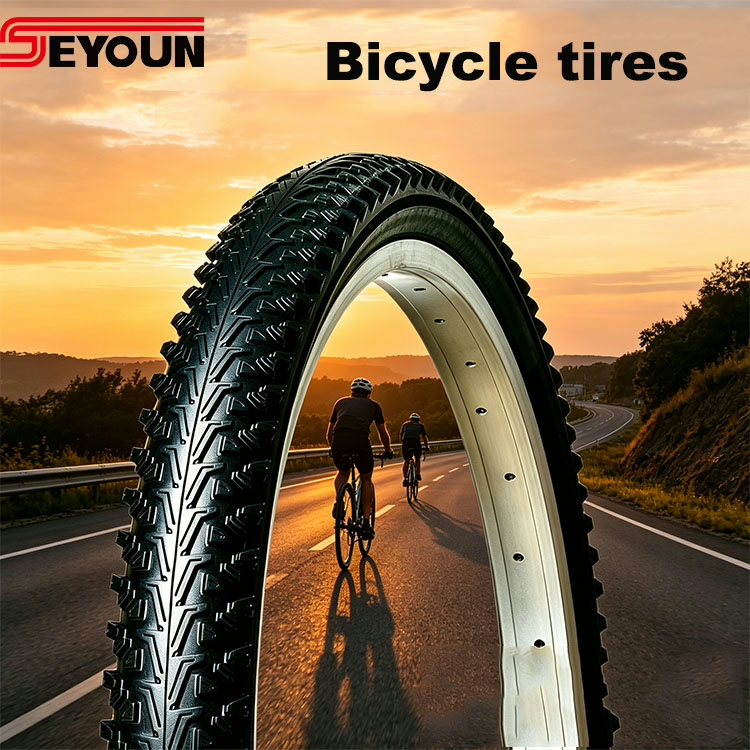
Whether you’re a casual commuter or a passionate cyclist, understanding the difference between bicycle inner tubes and outer tubes is key to a safe, smooth ride.
1.What Are Bicycle Inner Tubes & Outer Tires?
An inner tube is a flexible, airtight rubber ring that sits inside the outer tire. Its only job is to hold air pressure, supporting the bike and rider while cushioning bumps on the road or trail.
An outer tire (tire casing) is the hard‑wearing outer layer that makes direct contact with the ground. It protects the inner tube from sharp objects, provides traction, and defines how your bike performs on different surfaces. Together, they form the pneumatic system that has been the standard for nearly all bicycles since the 1880s.
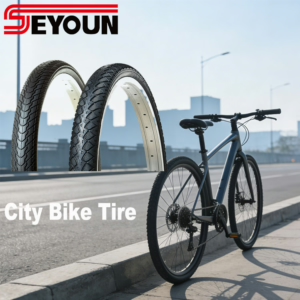
Brands like SEYOUN offer a full lineup of durable inner tubes and outer tires for city bikes, mountain bikes, hybrid bikes, and fat bikes, covering sizes such as 16×1.50, 20×1.50, 26×1.95, 26×2.0, 26×2.35, 29×2.10, and 24×2.125 to fit most standard bicycles.
2.Key Differences: Inner Tube vs Outer Tube
|
Feature
|
Inner Tube
|
Outer Tube (Tire Casing)
|
|---|---|---|
|
Primary Function
|
Holds air to support weight and provide cushioning
|
Protects inner tube, provides grip, and absorbs shocks
|
|
Materials
|
Butyl rubber (most common), latex, or TPU (lightweight options)
|
Rubber-coated fabric (nylon, cotton, or Kevlar), with tread patterns
|
|
Design Features
|
Valve stem (Schrader or Presta), flexible airtight construction
|
Tread patterns, bead (steel or Kevlar), sidewalls, and puncture-resistant layers
|
|
Common Issues
|
Punctures, leaks, valve damage, or pinching (from underinflation)
|
Tread wear, sidewall cuts, bead damage, or loss of grip
|
|
Replacement Frequency
|
Every 1–2 years (or after multiple punctures)
|
Every 3–5 years (depending on mileage and terrain)
|
For more detailed information on bicycle tires and tubes, refer to authoritative resources like Sheldon Brown’s Tire Guide
3.Types of Inner Tubes
Inner tubes are mainly divided by material, each suited to different riding styles.
- Butyl Rubber Inner Tubes:The most common and affordable choice. Butyl rubber holds air well, is durable, and easy to patch. Ideal for daily commuters, city riders, and casual cyclists. Most SEYOUN standard bikes use butyl inner tubes for reliability and low cost.
- Latex Inner Tubes:Lighter and more flexible, with lower rolling resistance. Popular among road racers and performance riders. The downside is faster air loss—needs topping up every 1–2 days.
- TPU Inner Tubes:Ultra‑light, compact, and strong. TPU tubes are easy to carry as spares and resist pinch flats. They are a premium choice for long‑distance riders and lightweight builds.
4.Types of Outer Tubes: Tailored to Terrain
Outer tubes (tires) are designed for specific terrains and riding styles, with tread patterns and construction that impact grip, speed, and durability. Here are the most common types:
-
Road Bike Tires: Narrow (23–32mm) with smooth or lightly grooved treads, designed for speed on paved roads. They’re lightweight and have high rolling resistance, making them ideal for commuting and racing. Many road tires now feature Kevlar belts for puncture resistance.
-
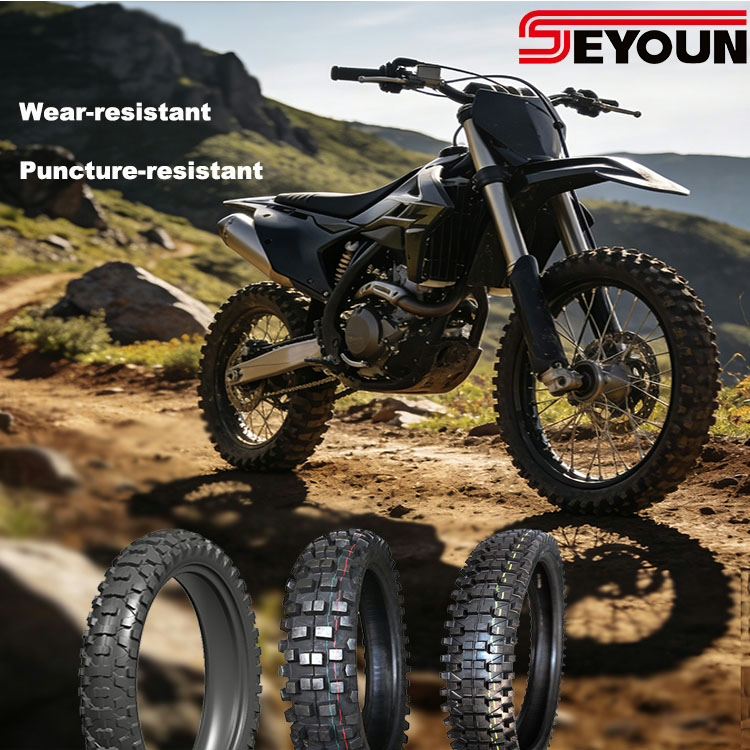
Mountain Bike Tires: Wide (2.1–2.8”) with deep, aggressive treads to grip dirt, mud, and rocks. They have thick sidewalls to withstand rough terrain and may include studs for winter riding. Options range from cross-country (lightweight, low tread) to downhill (heavy, deep tread).
-
Hybrid/Commuter Tires: A middle ground between road and mountain tires. They’re wider than road tires (32–45mm) with shallow treads, offering a balance of speed, grip, and durability for city streets and light trails .
-
Tubeless Tires: A modern alternative to traditional tubed tires. Tubeless outer tubes have an airtight seal with the rim, eliminating the need for an inner tube. They’re more resistant to punctures (thanks to sealant) and offer a smoother ride, though they require compatible rims .
-


5.How to Choose the Right Inner & Outer Tubes
Choosing the right inner and outer tubes depends on three key factors: your bike type, riding terrain, and budget. Use this quick guide to make the right choice:
-
Match Sizes: Always check the outer tube’s sidewall for size markings (e.g., 700x28c, 26×2.1) and choose an inner tube that matches. Inner tubes are flexible and can fit a range of widths (e.g., a 700×20–28c inner tube fits 700c outer tubes between 20–28mm) .
-
Consider Terrain: For paved roads, choose narrow, smooth outer tubes and butyl or latex inner tubes. For dirt trails, opt for wide, aggressive outer tubes and durable butyl or TPU inner tubes. For winter riding, consider studded outer tubes .
-
Balance Performance & Budget: Butyl inner tubes and basic outer tubes are affordable and suitable for casual riding. Latex inner tubes and high-performance outer tubes (with Kevlar or puncture-resistant layers) are pricier but ideal for competitive or frequent riding .
Whether you ride a city bike, mountain bike, or fat bike, choosing quality parts from trusted brands like SEYOUN and maintaining them properly will keep your wheels rolling smoothly for years.