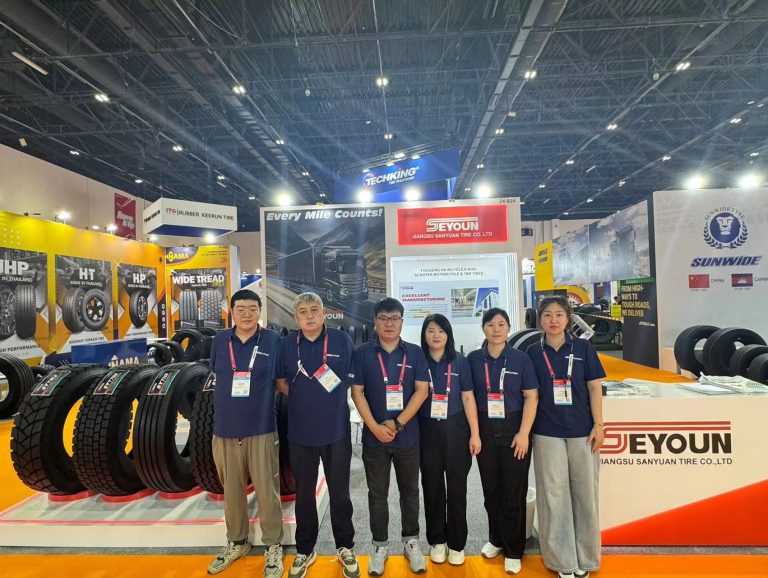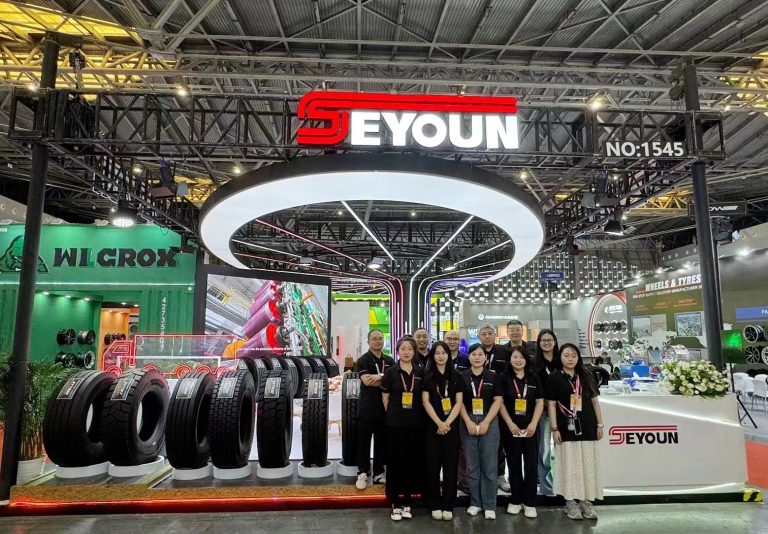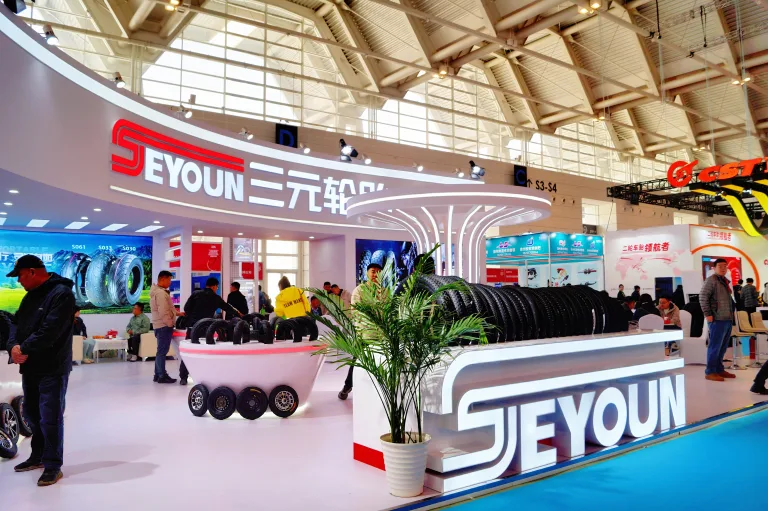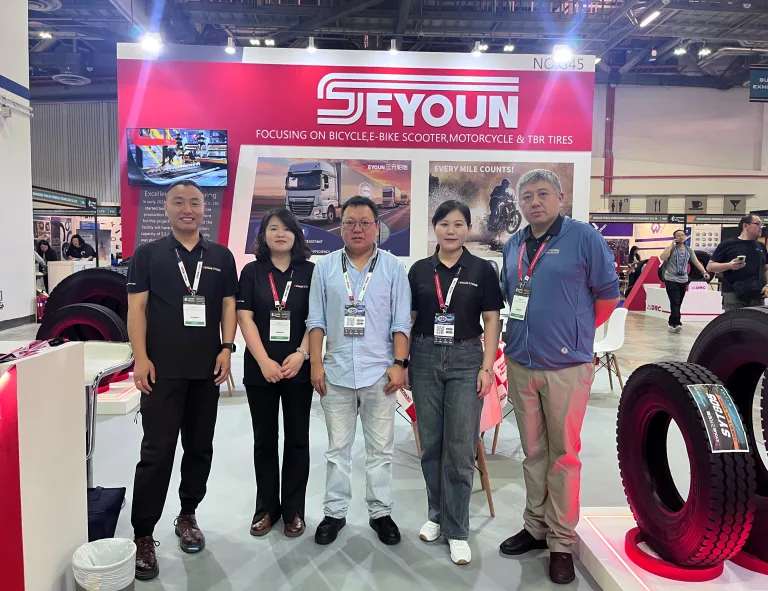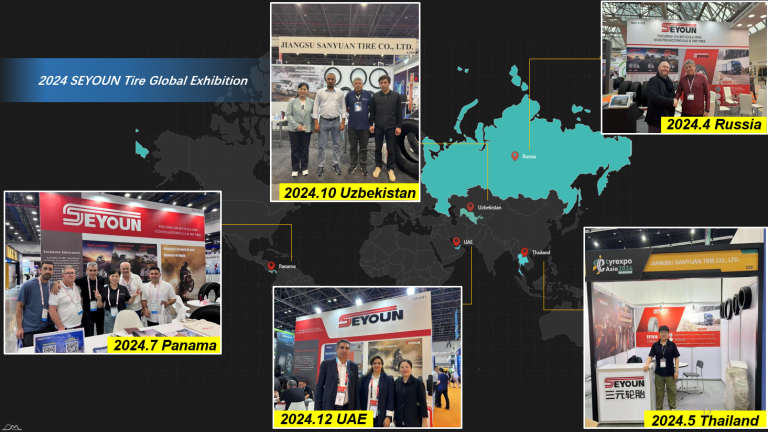
Jiangsu Sanyuan Tire Co., Ltd., a pioneering high-tech tire manufacturer headquartered in Jiangsu Province, China, achieved extraordinary milestones in 2025 by centering environmental sustainability as its core development driver. Participating in 10 major professional tire exhibitions across domestic and international markets, the company showcased its industry-leading eco-friendly product lineup, winning widespread acclaim in the Middle East, North & South America, Central Asia, Southeast Asia, and Africa for its low-carbon, high-performance tires that balance environmental responsibility with driving safety.
In 2025, as the global tire industry accelerates toward green transformation—with 39.7% of global shipments meeting stringent green standards and the $21.1 billion market witnessing a 12% year-on-year growth in eco-friendly tire demand[S5]—Sanyuan Tire strategically leveraged 10 key exhibitions to demonstrate its green innovations. These events included the China International Tire & Wheel Expo (CITEXPO) in Shanghai, the Guangrao International Rubber Tire Expo, and prominent international shows in Dubai and Panama. Serving as a bridge between the company’s sustainable technology and global partners, these exhibitions enabled Sanyuan Tire to connect with buyers from 140+ countries, highlighting its annual production capacity of 2.4 million high-performance all-steel radial tires and 160 million eco-friendly inner/outer tubes, all manufactured with green processes and recycled materials.
At the heart of Sanyuan Tire’s global success lies its unwavering commitment to eco-friendly innovation. The company’s flagship green tire series integrates cutting-edge sustainable technologies: 72% of the materials used are renewable or recycled, including bio-based rubber derived from vegetable oils, recycled carbon black from end-of-life tires, and silica extracted from agricultural waste like rice husks. This material revolution not only reduces dependence on petroleum-based resources by 45% but also achieves a 38% reduction in full-lifecycle carbon emissions compared to conventional tires. Complemented by an optimized low-rolling-resistance tread design, the tires reduce vehicle fuel consumption by 8-10% and extend electric vehicle range by up to 12%, addressing the dual global concerns of carbon reduction and energy efficiency.
Customer feedback from key international markets underscores the practical value of these green innovations. In the Middle East, where extreme temperatures demand both durability and efficiency, clients praise the tires’ stable performance and reduced carbon footprint; in Southeast Asia’s tropical regions, the use of recycled rubber compounds enhances resistance to humidity while minimizing environmental impact; in North America and Europe, the products meet strict REACH and RoHS environmental standards, earning certifications such as China’s “Green Product Certification” for their low VOC emissions and recyclability. A major logistics partner in Africa noted: “Sanyuan’s eco-tires not only withstand our rugged terrains but also align with our sustainability goals, cutting our fleet’s carbon emissions significantly.” These testimonials reflect the universal appeal of Sanyuan Tire’s “safety + environmental protection” dual value proposition.
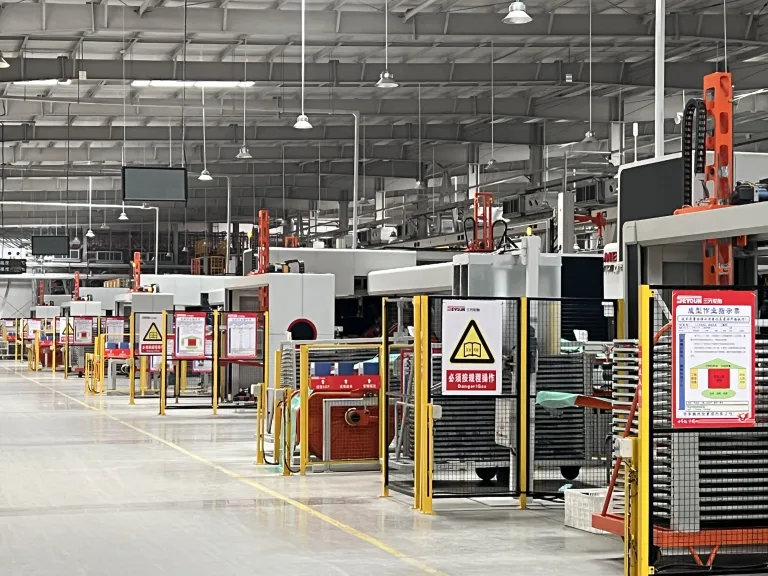
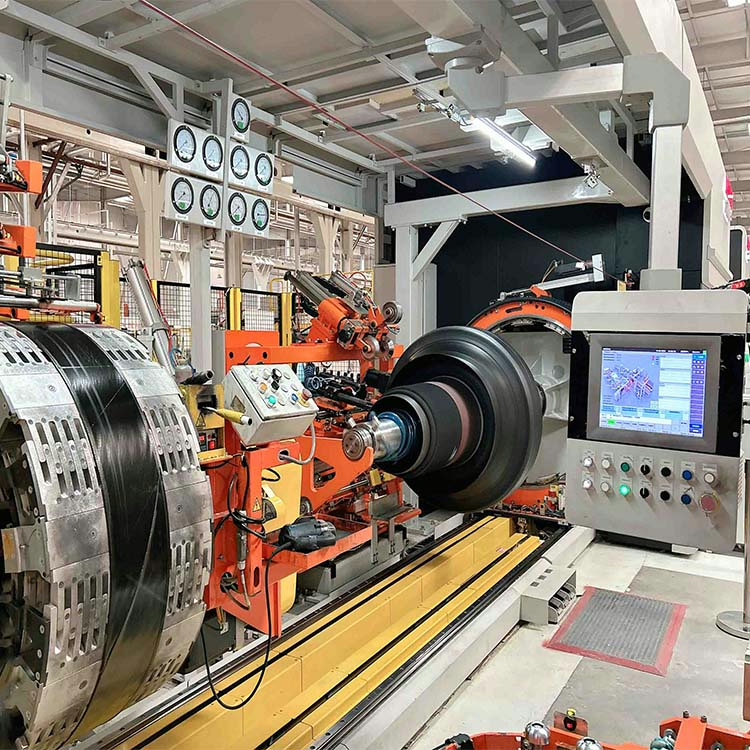
Sanyuan Tire’s green leadership extends beyond product innovation to the entire manufacturing chain. The company has invested heavily in smart green factories, deploying AI-driven energy management systems to optimize power usage, and implementing closed-loop water recycling with a 97% reuse rate. Waste heat recovery systems and rooftop solar panels contribute 15% of the production energy, while waste tire rubber recycling facilities process 50,000 tons of end-of-life tires annually, converting them into high-value rubber modifiers for new products and infrastructure materials. These initiatives have earned the company recognition as a “Jiangsu Provincial Green Manufacturing Enterprise” and strengthened its resilience against global carbon regulations such as the EU Carbon Border Adjustment Mechanism (CBAM).
Looking ahead to 2026, Sanyuan Tire aims to deepen its green leadership by expanding R&D investment in bio-based materials and carbon-neutral tire technologies, targeting a 80% sustainable material ratio and 45% carbon emission reduction. The company plans to participate in 12 international exhibitions, focusing on high-potential markets in Southeast Asia and Central Asia where infrastructure development and sustainability demands are growing rapidly. Mr. Tian, Founder and CEO, stated: “2025 proved that green innovation is not just a responsibility but a competitive advantage. In 2026, we will continue to push the boundaries of eco-friendly tire technology, bringing Chinese sustainable manufacturing excellence to more global partners while safeguarding our planet for future generations.”